Choosing the right Three-phase oil transformer is not a simple comparison of prices and catalog photos. Global buyers must examine electrical performance, manufacturing quality, site conditions, and long-term support. A 33 kV transformer may appear suitable, yet its vector group, impedance, or cooling class could mismatch the project. Small details matter.
John J. Winders, author of Power Transformers: Principles and Applications, offers a practical reminder: “Select a transformer for the complete system, not only its nameplate rating.” This principle guides our selection of ten leading models for international applications. Each option deserves attention for rated power, voltage ratio, no-load losses, load losses, insulation design, oil preservation, and factory testing. Certified routine tests are essential. So are type tests.
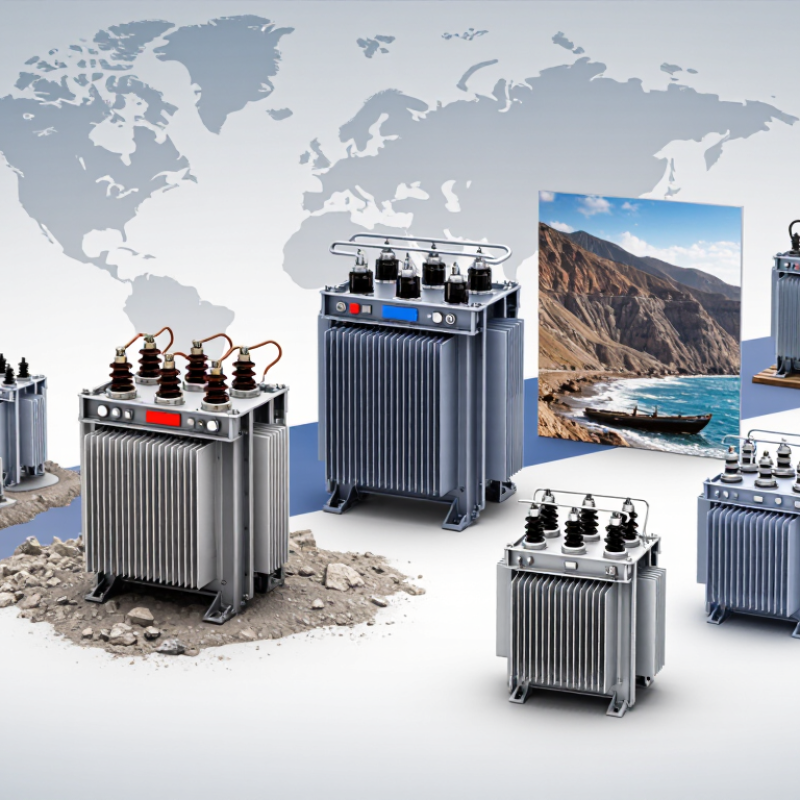
Real projects reveal the difference. A transformer installed beside a dusty cement plant needs stronger environmental protection. A unit serving a coastal substation may require corrosion-resistant hardware and careful oil sealing. In a remote mining area, spare parts and local technicians can matter more than a small efficiency advantage. That is often overlooked.
No ranking is perfect. Supplier data can be incomplete. Buyer requirements also change. Therefore, this guide considers practical evidence, including technical documentation, operating experience, warranty terms, compliance records, and service responsiveness. We also recognize an uncomfortable point: the cheapest transformer may create higher costs through losses, downtime, or difficult maintenance. Careful review remains necessary. The best choice is not always the most powerful model. It is the transformer that fits the network, environment, budget, and future load with dependable performance.
What Are Three-Phase Oil Transformers and How Do They Work?
For global buyers comparing the 10 best three-phase oil transformers, understanding their operation matters more than reading a product list. A three-phase oil transformer transfers electrical energy between voltage levels. It uses three primary windings and three secondary windings around a shared magnetic core. Each phase carries alternating current with a 120-degree electrical offset. That relationship supports stable power for factories, substations, pumps, and large commercial buildings.
The transformer does not generate electricity. It changes voltage through electromagnetic induction. Current entering the high-voltage windings creates magnetic flux in the core. The flux then induces a different voltage in the low-voltage windings. Mineral or ester-based insulating oil surrounds the windings and core. The oil strengthens insulation and carries heat toward the tank walls, radiators, or cooling equipment. Natural circulation often works under moderate loads. Fans or pumps may assist during heavier operation.
A practical assessment should include rated power, frequency, impedance, tap range, temperature rise, and local grid requirements. Buyers should also inspect oil quality, pressure devices, bushings, grounding points, and protection relays. Small details matter. Poor ventilation can shorten service life, even when the electrical rating looks correct. Installation conditions, altitude, humidity, and transport vibration require careful review. No selection formula is perfect. Real load data may be incomplete, so engineers should verify assumptions through site measurements and manufacturer-tested specifications.
Key Factors for Evaluating Three-Phase Oil Transformers
Selecting among the 10 best three-phase oil transformers requires more than comparing price and rated capacity. Start with the actual load profile. A factory with frequent motor starts needs stronger short-circuit performance than a stable commercial building. Check rated power, primary and secondary voltage, frequency, impedance, and permissible temperature rise. Small mismatches can create large operating losses.
Oil quality deserves close attention. Ask for test data covering moisture, breakdown voltage, acidity, and dissolved gases. The tank should resist corrosion and remain sealed during transport. Inspect the conservator, pressure relief device, bushings, gaskets, and cooling radiators. In humid or coastal regions, surface protection matters greatly. It is easy to overlook.
Installation conditions also shape transformer life. Confirm altitude, ambient temperature, ventilation, noise limits, and available maintenance space. A unit designed for a mild climate may need derating in extreme heat. Tap changer design should match voltage variation at the site. On-load systems add flexibility, but they also require more maintenance.
Reliable suppliers provide routine test reports, material traceability, clear warranty terms, and practical spare-parts support. Independent inspection before shipment can verify dimensions, wiring, oil level, and accessories. Do not trust impressive brochures alone. Field experience shows that documentation errors still happen. A careful buyer checks every nameplate detail against the purchase specification, even when the project schedule feels urgent. Safety certifications and local grid requirements should also be confirmed before ordering.
10 Best Three Phase Oil Transformers for Global Buyers? - Key Factors for Evaluating Three-Phase Oil Transformers
| Rank |
Configuration Profile |
Rated Power
(kVA) |
HV / LV Voltage
(kV / V) |
Frequency
(Hz) |
Vector Group |
Impedance
(%) |
Cooling |
Tap Range |
Efficiency at 50% Load |
Recommended Application |
Key Evaluation Advantage |
| 1 |
Utility Distribution Standard |
1,000 |
11 / 0.4 |
50 / 60 |
Dyn11 |
6.0 |
ONAN |
±2 × 2.5% |
≥99.3% |
Urban and industrial distribution substations |
Balanced combination of widely used voltage ratings, maintainability, and low lifecycle complexity. |
| 2 |
Compact Commercial Distribution |
630 |
10 / 0.4 |
50 / 60 |
Dyn11 |
4.5 |
ONAN |
±2 × 2.5% |
≥99.2% |
Retail centers, offices, schools, and hospitals |
Moderate capacity with a smaller footprint and commonly available low-voltage connection. |
| 3 |
Renewable-Energy Collector |
2,500 |
35 / 0.69 |
50 / 60 |
Dyn11 |
7.0 |
ONAN / ONAF |
±2 × 2.5% |
≥99.4% |
Solar and wind farm collector substations |
Higher capacity and forced-air support for variable generation and elevated thermal loading. |
| 4 |
Heavy-Industry Power Supply |
5,000 |
33 / 6.6 |
50 / 60 |
Dyn1 |
8.0 |
ONAN / ONAF |
±2 × 2.5% |
≥99.5% |
Mines, steel plants, cement plants, and process facilities |
Suitable for large motor loads where short-circuit impedance and cooling performance are critical. |
| 5 |
Low-Noise Residential Network |
400 |
11 / 0.415 |
50 |
Dyn11 |
4.0 |
ONAN |
±2 × 2.5% |
≥99.1% |
Residential estates and noise-sensitive areas |
Lower magnetic flux density and compact rating help reduce audible noise and installation impact. |
| 6 |
High-Voltage Transmission Interface |
10,000 |
66 / 11 |
50 / 60 |
YNd11 |
10.0 |
ONAN / ONAF / OFAF |
±8 × 1.25% |
≥99.6% |
Grid substations and large utility intake points |
Wide tap range and staged cooling support voltage regulation and continuous high-load operation. |
| 7 |
Outdoor Coastal Installation |
1,600 |
22 / 0.4 |
50 / 60 |
Dyn11 |
6.5 |
ONAN |
±2 × 2.5% |
≥99.4% |
Ports, islands, coastal factories, and humid climates |
Requires corrosion-resistant coating, sealed accessories, suitable bushings, and moisture-resistant insulation. |
| 8 |
Cold-Climate Distribution |
800 |
20 / 0.4 |
50 / 60 |
Dyn11 |
5.5 |
ONAN |
±2 × 2.5% |
≥99.3% |
Northern regions and sub-zero outdoor substations |
Low-temperature oil, pressure-relief protection, heaters, and appropriately rated seals improve cold-weather reliability. |
| 9 |
Data-Center Critical Load |
2,000 |
13.8 / 0.415 |
60 |
Dyn1 |
7.0 |
ONAN / ONAF |
±2 × 2.5% |
≥99.5% |
Data centers, telecom facilities, and mission-critical buildings |
Low losses, online temperature monitoring, redundant cooling options, and strong voltage stability. |
| 10 |
Mobile or Temporary Substation |
1,250 |
15 / 0.48 |
50 / 60 |
Dyn11 |
6.0 |
ONAN |
±2 × 2.5% |
≥99.3% |
Construction sites, emergency restoration, and temporary facilities |
Transportable dimensions, lifting points, robust enclosure, and simplified commissioning reduce deployment time. |
Evaluation note: The configurations above are representative engineering benchmarks rather than company- or brand-specific products. Final selection should verify applicable IEC 60076 or IEEE C57 requirements, utility specifications, altitude, ambient temperature, insulation level, sound limits, losses, fire and environmental regulations, accessories, testing requirements, transport conditions, and total lifecycle cost.
10 Leading Three-Phase Oil Transformers for Global Buyers
For global buyers, the ten leading three-phase oil transformers are practical designs matched to different operating conditions. They include conventional distribution, hermetically sealed, conservator-type, pad-mounted, indoor, outdoor, step-up, step-down, furnace-duty, and renewable-energy collector transformers. Each design serves a different load profile, voltage range, and installation environment. A rural utility may prefer a compact sealed unit, while a solar project may require stronger thermal performance and frequent load variation.
In field inspections, I check more than the nameplate. I examine oil leakage, bushing condition, winding temperature, grounding points, and noise levels. Copper windings can support demanding loads, while aluminum windings may reduce initial cost. That choice needs careful loss calculations. A strong enclosure coating also matters in coastal regions, where salt air attacks exposed metal quickly. Buyers should request routine test reports, impulse-test data, oil quality records, and clear efficiency figures.
Standards differ between markets, so documentation must match the installation country. Confirm frequency, tap range, cooling method, short-circuit strength, and spare-part availability before ordering. I have seen projects delayed because accessories used unfamiliar dimensions. That mistake is avoidable. No shortlist is perfect. Budget pressure can also encourage thinner margins on insulation or testing, which deserves a second review before contract approval.
How to Compare Transformer Ratings, Efficiency, and Safety Features
When comparing the 10 best three-phase oil transformers, start with the duty, not the catalogue ranking. Match kVA capacity, primary and secondary voltage, frequency, impedance, vector group, and insulation level. A 1,000 kVA unit may fail early if your site has high harmonics, poor ventilation, or frequent overloads. IEC 60076 test requirements help verify temperature rise, losses, dielectric strength, and short-circuit performance.
Efficiency requires two figures: no-load loss and load loss. No-load loss continues day and night, even when demand is low. Load loss rises sharply with current, so a lightly loaded transformer can need a different design than a factory transformer running near capacity. The International Energy Agency’s Electricity Grids and Secure Energy Transitions report says annual grid investment must exceed 600 billion dollars by 2030. Small efficiency gains therefore matter across large fleets. Still, published efficiency figures may use different test temperatures. That makes direct comparison imperfect.
Tips: Request certified loss data at the same reference temperature. Check oil temperature alarms, pressure-relief devices, winding-temperature indicators, and leak containment. Review routine and type-test reports, not only brochures. IEEE C57.12.00 and IEC 60076 provide useful technical benchmarks. Ask for partial-discharge results where insulation stress is critical. I would also inspect maintenance access and spare-part timing. A cheaper transformer can become expensive when one sensor is unavailable. Safety is never just the tank.
Global Standards, Applications, and Purchasing Considerations
10 Best Three Phase Oil Transformers for Global Buyers?
Global buyers should judge the ten best three-phase oil transformers by application, standards, and lifecycle risk. IEC 60076 defines core transformer requirements, while IEEE C57 standards guide many North American projects. A 33/11 kV ONAN unit may suit a rural substation. Dense industrial sites often need ONAF cooling, online monitoring, and stronger short-circuit performance. Confirm frequency, insulation level, vector group, tap range, and altitude before comparing quotations.
The International Energy Agency’s Electricity 2024 report says annual grid investment must rise from about USD 400 billion to over USD 600 billion by 2030. That pressure makes efficient, repairable transformers more valuable. Buyers should compare no-load losses, load losses, oil volume, noise, and expected loading profiles. Natural ester fluid can support fire-risk planning, but climate, maintenance skills, and local disposal rules still matter. It is not automatically the best choice.
Procurement details decide reliability. Request routine and type-test records, factory inspection access, oil-test procedures, spare bushings, gasket kits, and transport dimensions. The U.S. Department of Energy’s 2024 transformer supply-chain review highlights extended lead times and material constraints. Keep realistic schedules. A cheap quotation can become expensive after delays, site modifications, or unavailable parts. I would also question vague efficiency claims. A polished datasheet is not proof of field performance. Require traceable test results, clear warranties, and service support near the installation.
10 Best Three-Phase Oil Transformers for Global Buyers
Common nominal ratings used in utility distribution, commercial facilities, renewable-energy projects, and industrial power systems. Selection should also consider IEC 60076 or IEEE C57 standards, voltage ratio, impedance, cooling method, efficiency, losses, ambient conditions, and local grid requirements.
Purchasing note: The ratings shown are widely used standard sizes rather than a brand ranking. Actual suitability depends on calculated load, future expansion, fault level, installation environment, and the buyer’s applicable national standards.
FAQS
It transfers electrical energy between voltage levels. It uses three primary and three secondary windings around one magnetic core. It does not generate electricity.
Alternating current enters the high-voltage windings and creates magnetic flux. That flux induces another voltage in the low-voltage windings. Each phase has a 120-degree electrical offset.
Insulating oil surrounds the windings and core. It improves electrical insulation and carries heat toward the tank walls or radiators. Oil quality needs regular attention.
Natural oil circulation often handles moderate loads. Fans or pumps may assist during heavier operation. Poor ventilation can still shorten service life.
Check rated power, frequency, impedance, tap range, temperature rise, and cooling method. Confirm local grid requirements before ordering. Real load data may be incomplete.
Altitude, humidity, ventilation, and transport vibration can change operating conditions. Coastal salt air may attack exposed metal. Small details matter.
Inspect oil leakage, bushings, grounding points, temperature readings, and noise levels. Review protection devices and pressure equipment. A clean exterior proves little.
Request routine test reports, impulse-test data, oil records, and efficiency figures. Confirm standards match the installation country. Spare-part dimensions deserve a second check.
Copper can support demanding loads, while aluminum may reduce initial cost. Compare losses, heating, and lifecycle expenses carefully. The cheaper option may not stay cheaper.
No single design fits every site. Sealed, conservator-type, indoor, outdoor, step-up, and renewable-energy units serve different conditions. My assumptions could be wrong without site measurements.
Conclusion
This guide explains how a Three-phase oil transformer converts and distributes electrical power through an oil-insulated, three-phase system. It outlines the main components, cooling principles, insulation functions, and operating characteristics that support reliable power transmission. Readers will learn how to evaluate key factors such as rated capacity, voltage ratio, energy efficiency, temperature rise, impedance, noise level, maintenance needs, and protection features before selecting a suitable unit.
The article also presents ten representative transformer configurations for global buyers, focusing on practical differences rather than brand names. It compares ratings, efficiency, safety systems, monitoring options, and environmental considerations to help buyers match equipment with industrial facilities, utilities, renewable energy projects, and commercial networks. In addition, it discusses common international standards, installation requirements, inspection procedures, shipping considerations, documentation, warranty expectations, and long-term service planning, enabling purchasers to make informed and responsible decisions across different operating environments.