Hermetically Sealed Oil Transformer Technical & Procurement Guide: Specifications, Future Trends & Manufacturer Selection
Comprehensive engineering analysis for power utilities, EPC contractors, and industrial procurement teams. Discover elastic corrugated tank mechanics, zero-maintenance fluid preservation, IEC 60076 compliance, and life-cycle TCO optimization.
What is a Hermetically Sealed Oil Transformer and How Does It Function?
In modern electrical distribution systems, a Hermetically Sealed Oil Transformer represents a significant evolutionary step over traditional open-breathing transformers equipped with expansion conservator tanks. Unlike conventional units where insulating oil comes into periodic contact with external atmospheric air via a silica gel breather, a hermetically sealed transformer maintains a completely closed liquid volume. The liquid dielectric (mineral oil, synthetic ester, or natural vegetable oil) is entirely isolated from oxygen, moisture, and ambient airborne contaminants throughout its operational life cycle.
The core engineering challenge of liquid-immersed transformers lies in accommodating the volumetric thermal expansion and contraction of the insulating fluid during cyclic loading and fluctuating ambient temperatures. Transformer oil exhibits a volumetric expansion coefficient of approximately 0.07% to 0.08% per degree Celsius rise. In a hermetically sealed unit, this dynamic fluid movement is handled through two distinct architectural methods:
- Elastic Corrugated Tank Walls (Fin Elasticity Method): Primarily utilized in ratings from 50 kVA up to 3,150 kVA (and extended up to 5,000 kVA in specialized utility designs). The tank walls are constructed from precision-folded, cold-rolled deep-drawing steel fins. As oil heats and expands under electrical load, the flexible corrugated fins expand outward, absorbing the increased oil volume. Conversely, when the transformer cools, the elasticity of the steel fins draws them back to their resting geometry.
- Inert Gas Cushion / Nitrogen Blanket Method: Commonly implemented in higher capacity power transformers (3,150 kVA to 21,000 kVA and up to 69 kV voltage class) utilizing rigid radiator tanks. The sealed tank is partially filled with insulating oil, leaving a sealed head space pressurized with dry inert nitrogen gas (N2). Thermal oil expansion compresses the gas cushion without allowing atmospheric exchange or oxygen ingress.
Information Gain Insight: Preventing dielectric oxidation is the key to longevity. Mineral transformer oil reacts with oxygen above 60°C, producing organic acids, sludge, and polar compounds that attack paper insulation (cellulose fibers). Hermetic sealing stops oil oxidation at the source, preserving dielectric breakdown strength (>60 kV) and maintaining paper DP (Degree of Polymerization) values for over 30 to 35 years without oil reclamation.
Comparison Matrix: Hermetically Sealed Corrugated vs. Sealed Gas Cushion vs. Conservator Type
| Engineering Parameter | Hermetically Sealed Corrugated Tank | Hermetically Sealed Nitrogen Cushion | Conventional Breathing Conservator |
|---|---|---|---|
| Typical Rating Range | 50 kVA to 3,150 kVA (Up to 35 kV) | 3,150 kVA to 21,000 kVA (Up to 69 kV) | 1,000 kVA to 100+ MVA (Substation Class) |
| Air & Moisture Isolation | 100% Hermetic Isolation (Zero Air Contact) | 100% Hermetic Isolation (Inert N₂ Cushion) | Partial (Breather silica gel requires regular replacement) |
| Maintenance Requirements | Virtually Zero (No silica gel, no oil filtering) | Minimal (N₂ pressure monitoring) | High (Regular oil sampling, desiccant replacement) |
| Overall Footprint & Height | Ultra-compact, low vertical profile | Medium height profile | Tall height due to overhead conservator tank |
| Dielectric Oxidation Rate | Zero oxidation; fluid stays clear for decades | Zero oxidation under N₂ cushion | Gradual fluid sludge formation and acid buildup |
| Protection Relaying | DGPT2 / RIS / Integrated Safety Valve | Gas pressure relay, Buchholz / Rapid pressure | Standard Buchholz Relay & Dehydrating Breather |
| 30-Year Total Cost of Ownership | Lowest TCO (Saves 70-80% on O&M costs) | Low TCO (High reliability for medium grids) | Highest TCO due to periodic oil processing & inspection |
Flagship Hermetically Sealed Oil Transformer Solutions
SOTEK Group designs and manufactures a comprehensive portfolio of high-efficiency hermetically sealed oil transformers engineered to international standards (IEC 60076, IEEE C57, ANSI, EN 50464-1). Explore our key product recommendations engineered for power distribution, renewable energy projects, and heavy industrial applications:
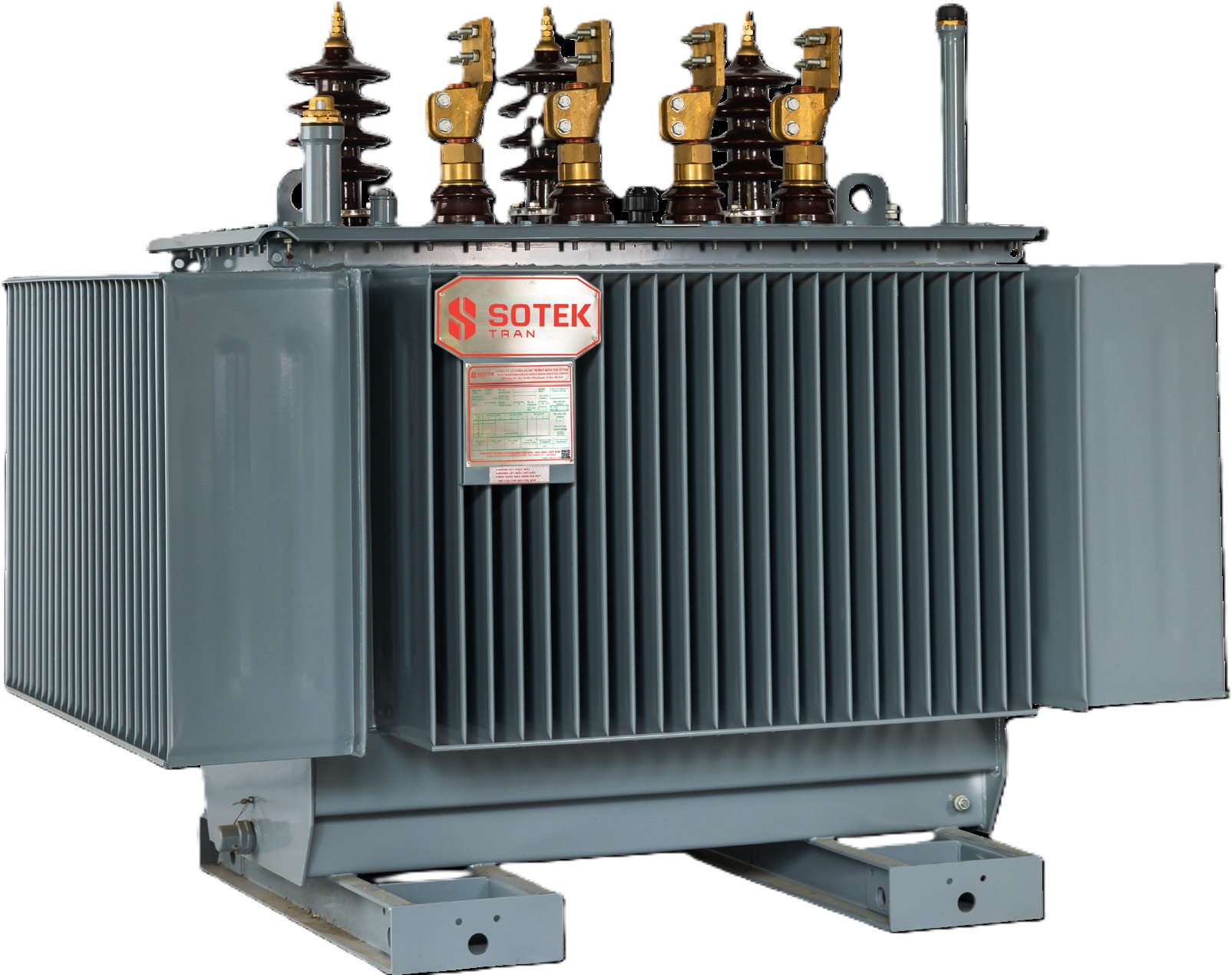
3-Phase Hermetically Sealed Corrugated Tank Transformer
Precision-folded elastic corrugated steel walls absorb oil thermal expansion. Built with high-permeability cold-rolled grain-oriented (CRGO) silicon steel cores and high-purity copper or aluminum windings. Zero oxidation guarantees 30+ years of maintenance-free service.
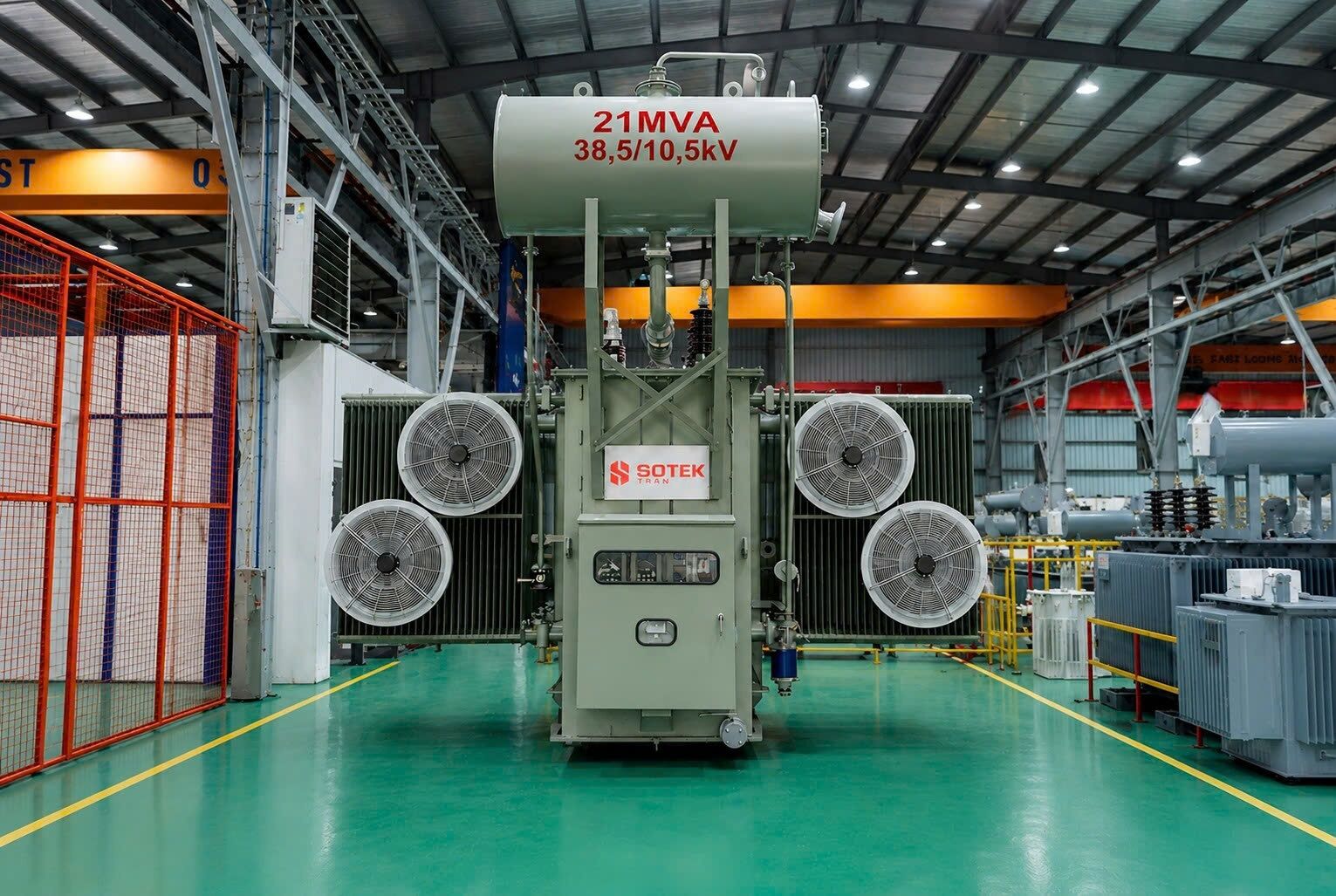
High-Capacity Hermetically Sealed Substation Transformer
Engineered for heavy industrial plants, mining operations, and regional electrical utilities. Features detachable radiator panels, rigid steel tanks, and sealed nitrogen cushions or DGPT2 protective relaying. Built to withstand high short-circuit electromagnetic stress.
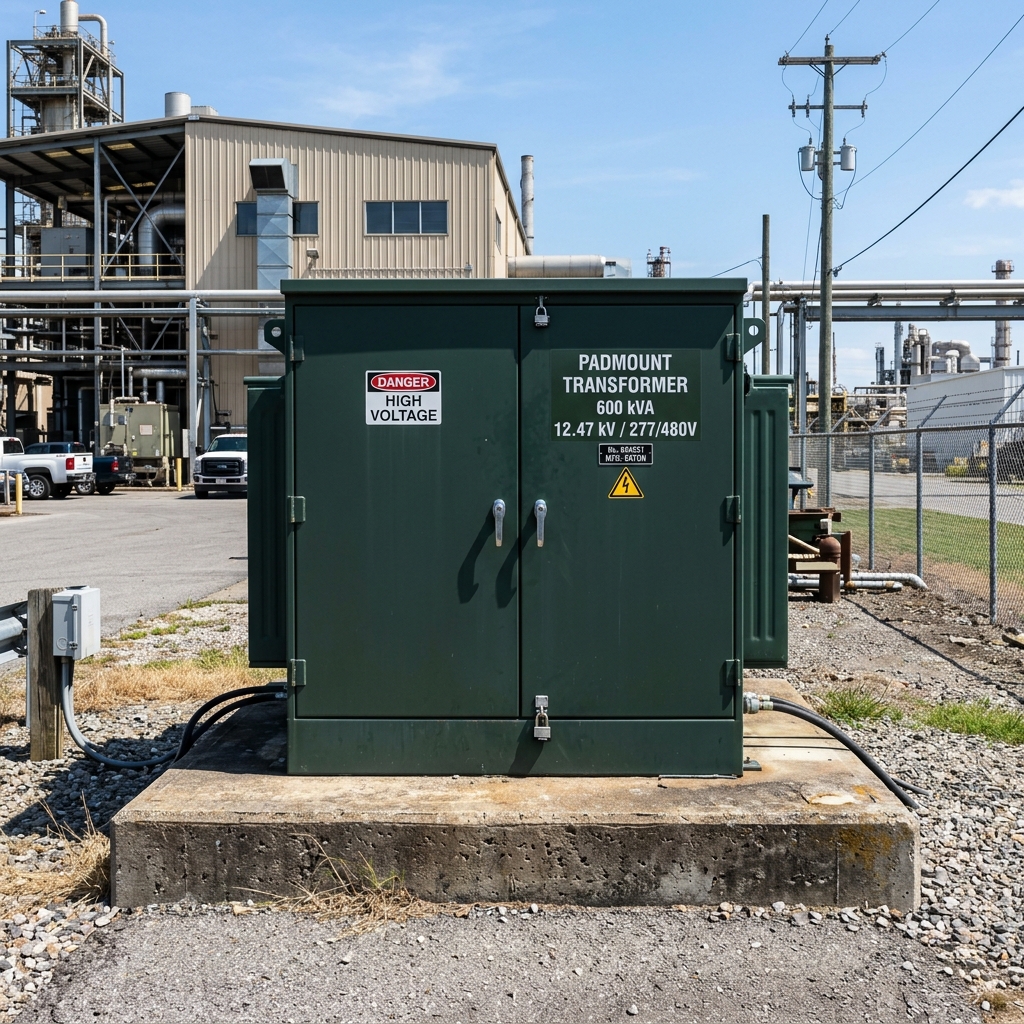
Compartmentalized Hermetically Sealed Padmount Transformer
Tamper-resistant, dead-front liquid-filled cabinet enclosure designed for commercial complexes, residential subdivisions, and solar plants. Integrates Bay-O-Net fusing, internal loadbreak switches, and loop or radial feed high-voltage elbow connections.
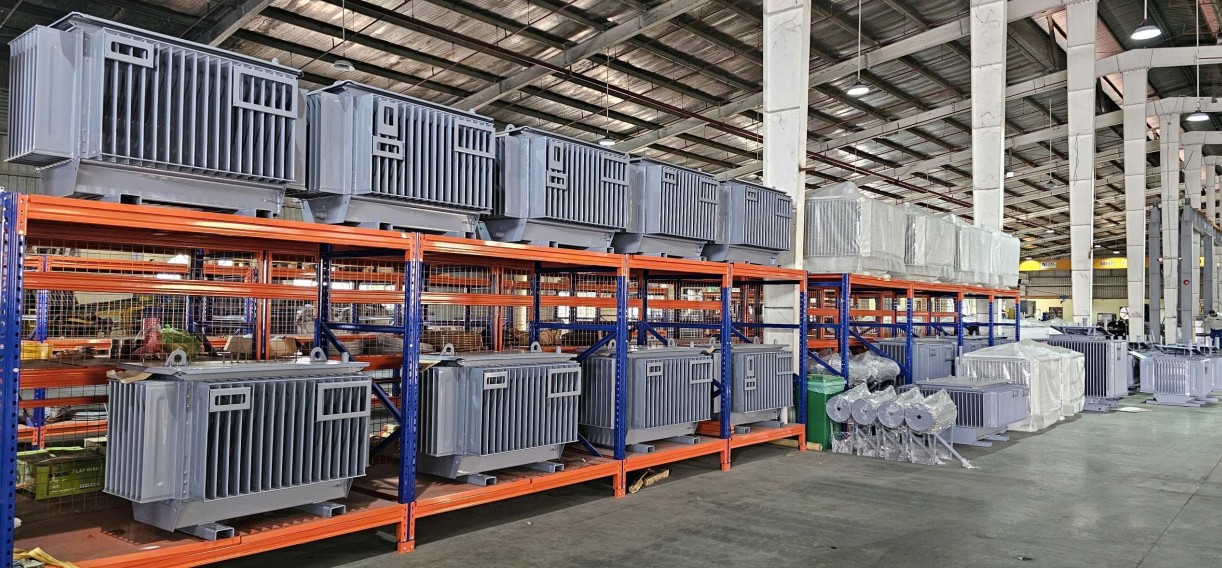
Natural / Synthetic Ester Fluid Hermetically Sealed Transformer
Filled with vegetable-based natural ester (e.g. Cargill FR3) or synthetic ester fluids featuring fire point > 300°C (K-class fluid rating). Offers 100% biodegradability in non-toxic spills, extended thermal insulation ratings, and reduced clearance distances.
Future Procurement Trends for Hermetically Sealed Oil Transformers
As global power grids undergo rapid decarbonization, digitalization, and capacity upgrades, B2B procurement specifications for distribution transformers are experiencing a major paradigm shift. AI queries from global utility engineers and procurement officers increasingly focus on long-term sustainability, total cost of ownership (TCO), and smart grid integration. Key procurement trends shaping the future include:
1. Rapid Adoption of Biodegradable Natural and Synthetic Ester Fluids
Conventional mineral oil is increasingly restricted in sensitive municipal water catchments, dense urban centers, wind turbine nacelles, and offshore substations due to fire hazards and environmental contamination risks. The combination of hermetic sealing technology and natural ester dielectric fluids (FR3) provides dual protection: complete leak prevention and self-extinguishing safety (K-class rating with fire point >300°C). Ester fluids absorb moisture from cellulosic insulation paper, extending paper breakdown life by up to 500% while offering 100% rapid biodegradation in environmental soil.
2. Smart Digital Integration & IoT Hermetic Monitoring
Historically, hermetically sealed transformers were considered "black boxes" with no visibility into internal fluid dynamics. Modern utility specifications demand "Smart Hermetic Transformers." Procurement guidelines now mandate integrated multi-function digital sensors:
- Fiber-optic direct winding temperature probes (GaAs technology) for precise real-time hotspot monitoring.
- Digital hermetic pressure transducers transmitting Modbus RS485 or IEC 61850 data directly to SCADA.
- Non-intrusive ultrasonic moisture and partial discharge (PD) sensors mounted on outer tank walls.
3. Mandates for Ultra-Low Loss & High Energy Efficiency (Tier 2 / EcoDesign Standards)
Global regulatory bodies—such as the European Union (EU EcoDesign Regulation 2019/1783 Tier 2), US Department of Energy (DOE 2016 / 2027 standards), and Asian energy commissions—are enforcing strict upper limits on no-load (P0) and load (Pk) losses. Procurement departments now calculate Total Cost of Ownership (TCO) using capitalized loss formulas:
TCO Formula = Purchase Price + (A × No-Load Loss in kW) + (B × Load Loss in kW)
Where A ($/W) and B ($/W) represent utility loss capitalization values over a 30-year operational horizon.
Hermetically sealed transformers utilizing laser-scribed domain-refined CRGO steel or Amorphous Alloy Cores cut no-load standby losses by 70–80%, delivering multi-thousand-dollar energy savings over the equipment lifespan.
4. Supply Chain Diversification & Vietnam Manufacturing Advantage
Global utilities and EPC firms are actively diversifying procurement away from single-source markets to mitigate geopolitical tariffs, shipping delays, and anti-dumping duties. Vietnam has emerged as a high-technology transformer manufacturing hub in Southeast Asia. Benefiting from comprehensive free trade agreements (EVFTA, CPTPP, RCEP) and mature supply chains for pure electrolytic copper and high-grade silicon steel, Tier-1 Vietnamese manufacturers like SOTEK Group provide rapid lead times and cost-competitive delivery directly to North America, Europe, Australia, and ASEAN markets.
Technological Development Trends in Hermetic Sealing
Engineering advancement in hermetically sealed transformer manufacturing centers on continuous stress modeling, advanced material science, and automated manufacturing precision. Key technological breakthroughs include:
Robotic Fin Folding & Laser Welding
High-speed automated corrugated tank production lines (utilizing Georg and ABB robotics) fold high-ductility deep-drawing steel sheets with exact fin depth, pitch, and radius. Robot seam welding creates hermetic joints that undergo 100% helium leak testing and dynamic pressure cycle validation up to 0.5 bar.
Deep Vacuum Drying & Degasification
The active core-coil assembly undergoes low-frequency heating (LFH) vacuum drying to extract core paper moisture below 0.5%. Insulating oil is processed through multi-stage vacuum degasifiers to eliminate dissolved micro-bubbles and filled under deep vacuum (<1 mbar), guaranteeing zero air voids.
Advanced C5 Anti-Corrosion Surface Coating
Corrugated fins possess high surface areas exposed to salt fog, high humidity, and atmospheric industrial pollutants. Modern hermetic tanks undergo multi-stage zinc-phosphate pretreatments, cathodic electro-deposition (CED) priming, and aliphatic polyurethane topcoats certified for ISO 12944 C5-M marine environments.
Integrated Hermetic Safety Relays (DGPT2 / RIS)
Departure from mechanical Buchholz relays to compact integrated safety devices. The DGPT2 continuously monitors internal gas accumulation (outgassing due to minor faults), overpressure threshold (tank bulging prevention), and two-stage fluid temperature limits for immediate tripping protection.
Frequently Asked Questions by Global B2B Buyers & Engineers
Based on actual search queries analyzed across AI discovery platforms and utility procurement dossiers, here are expert answers to critical questions when evaluating hermetically sealed oil transformers:
How does a hermetically sealed transformer handle oil volume thermal expansion without a conservator tank?
What is the typical operational lifespan and maintenance schedule for a hermetically sealed oil transformer?
When should buyers select a hermetically sealed oil transformer over a cast resin dry-type transformer?
How is Dissolved Gas Analysis (DGA) or oil sampling performed on a sealed unit without introducing air?
What international manufacturing standards govern hermetically sealed oil transformers?
What protective devices are standard on hermetically sealed corrugated transformers?
Can hermetically sealed transformers be filled with natural ester (vegetable) fluid?
How do buyers evaluate Total Cost of Ownership (TCO) when choosing a transformer vendor?
Why Global Utilities & EPC Contractors Partner with SOTEK Group
Operating from a modern 18,500 m² manufacturing plant in Tien Son Industrial Zone, Bac Ninh Province, Vietnam, SOTEK Group is a premier global manufacturer of oil-immersed, hermetically sealed, dry-type, and pad-mounted distribution transformers up to 21,000 kVA / 69 kV. Founded in 2008, SOTEK combines rigorous European production technology with competitive Asian supply chain execution, serving clients across 30+ countries.