1. Technical Engineering Architecture of the Three-Phase Oil Transformer
In modern electrical distribution networks, renewable power plants, and heavy industrial complexes, the three-phase oil transformer serves as the indispensable backbone for voltage stepping, power distribution, and grid stabilization. Operating on Faraday's law of electromagnetic induction, a three-phase oil-immersed transformer integrates three sets of primary and secondary windings placed around a laminated magnetic core, submerged completely in an insulating liquid medium (mineral dielectric oil or synthetic/natural ester fluid).
Compared to single-phase distribution units or dry-type transformers, liquid-immersed three-phase architecture offers superior thermal dissipation, higher dielectric strength, and extended operational lifespans—frequently exceeding 30 to 40 years under rated load conditions. The liquid dielectric medium performs a dual role: it provides high impulse voltage insulation between phase windings and tank walls, and acts as a heat-transfer vehicle conveying thermal energy from internal hotspots (windings and core) to external corrugated radiator fins or tubular cooling radiators via natural convection (ONAN) or forced air cooling (ONAF).
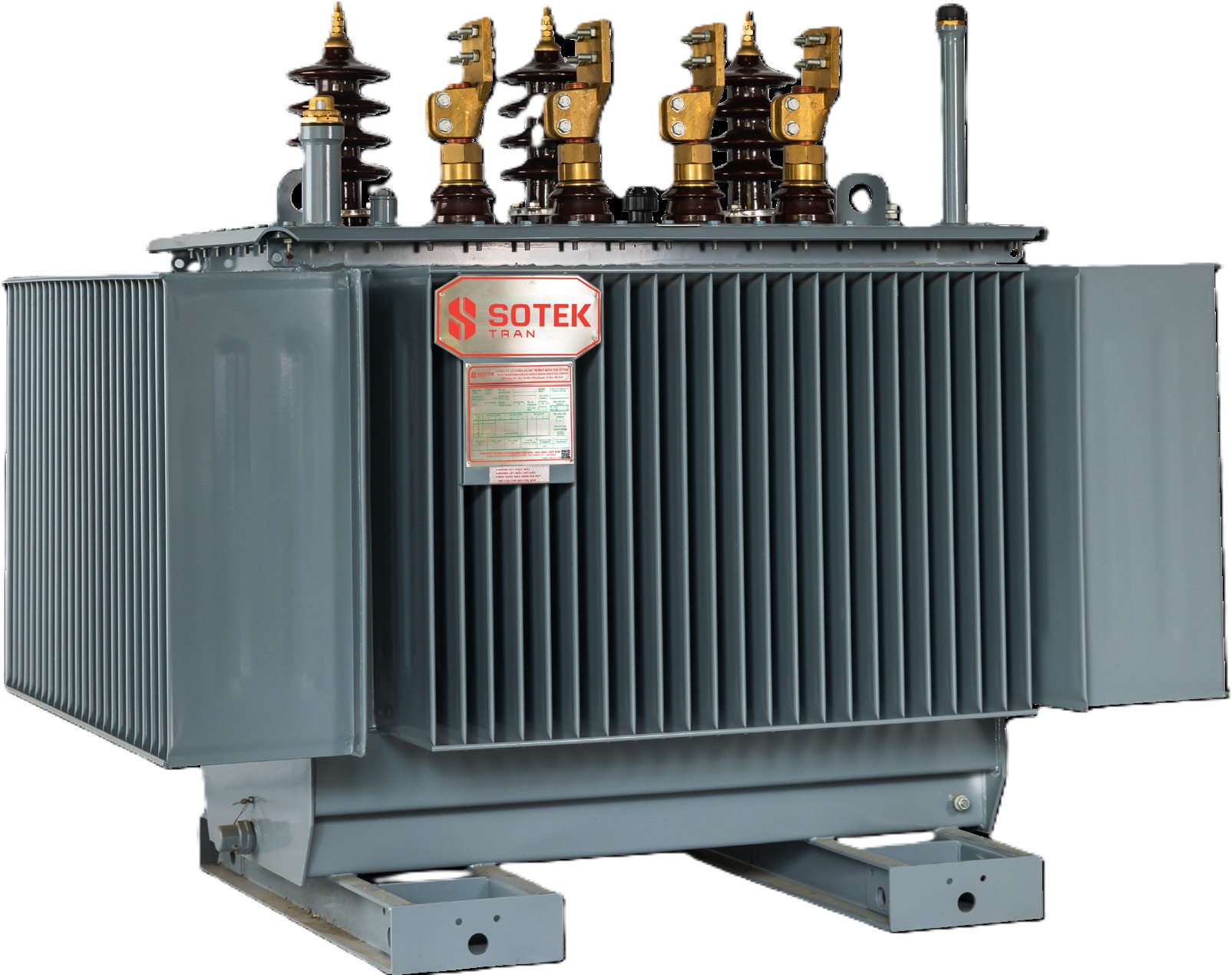 Figure 1: SOTEK 3-Phase Oil-Immersed Distribution Transformer with Hermetically Sealed Corrugated Tank Tank & HV Bushings.
 Core & Winding Engineering Fundamentals
The efficiency, short-circuit withstand performance, and thermal endurance of a three-phase oil transformer depend directly on its core material selection and winding topology:
- Cold-Rolled Grain-Oriented (CRGO) Silicon Steel Cores: SOTEK utilizes high-permeability, domain-refined CRGO steel (e.g., M0H, M1H grade) cut at precise 45-degree mitred joints using high-precision Georg CNC shearing lines. This step-lap core stacking technique dramatically reduces no-load losses (hysteresis and eddy currents), lowers magnetizing currents, and curtails noise levels below 50 dB(A).
- Amorphous Alloy Core Innovations: For ultra-low loss requirements (such as green building initiatives and smart grid utility projects), amorphous alloy cores offer an atom-disordered molecular structure that slashes core losses by up to 75% compared to conventional silicon steel, offering a rapid return on investment (ROI) over a 5-year operational lifecycle.
- High-Conductivity Copper & Aluminum Windings: Winding structures utilize electrolytic grade oxygen-free copper (99.99% conductivity) or high-grade electrical aluminum. High-voltage (HV) windings employ continuous disc or layer arrangements with thermally upgraded paper (TUP) insulation, while low-voltage (LV) windings feature foil-wound conductors to deliver structural rigidity against axial magnetic forces during short-circuit faults (compliant with IEC 60076-5).
Looking for Custom Three-Phase Transformer Specifications?
Download our complete 2026 engineering catalog featuring CAD drawings, vector groups, and loss figures.
2. Comprehensive Product Recommendation & Application Matrix
Selecting the appropriate three-phase oil transformer configuration requires matching environmental factors, grid duty cycles, load variations, and regional standards. Below is SOTEK's engineering matrix categorizing primary liquid-filled transformer solutions for international EPCs and power distribution networks.
| Transformer Category | Capacity & Voltage Range | Cooling & Tank Structure | Primary Compliance | Target Application & Use Case |
| Hermetically Sealed Oil Transformer | 50 kVA – 3,150 kVA
Up to 35 kV | ONAN / ONAF
Fully Sealed Corrugated Tank | IEC 60076-1, TCVN 6306 | Urban distribution networks, industrial parks, extreme humidity & coastal zones. Zero oil maintenance. |
| Conservator-Type Power Transformer | 1,000 kVA – 21,000 kVA
Up to 69 kV | ONAN / ONAF
Conservator Tank + Silica Gel Breather | IEC 60076, IEEE C57.12.00 | Primary regional substations, heavy industrial complexes, mining power systems, utility step-down. |
| Compartmentalized Padmount Transformer | 75 kVA – 5,000 kVA
Up to 35 kV | ONAN
Dead-Front Cabinet Structure | IEEE C57.12.34, ANSI C57.12.28 | Underground distribution, commercial real estate, data centers, EV charging hubs, residential neighborhoods. |
| Amorphous Core Low-Loss Transformer | 50 kVA – 2,500 kVA
Up to 35 kV | ONAN
Hermetically Sealed Flexible Fin Tank | IEC 60076, EcoDesign Tier 2 | Solar PV grid integration, smart grid modernization, high efficiency urban utilities focusing on low carbon emissions. |
| Step-Up Substation GSU Transformer | 1,000 kVA – 21,000 kVA
Up to 69 kV | ONAN / ONAF / OFAF
Heavy-duty Reinforced Tank | IEEE C57, IEC 60076-11 | Renewable energy plants (utility-scale solar PV farms, onshore wind turbines), generator step-up (GSU) duties. |
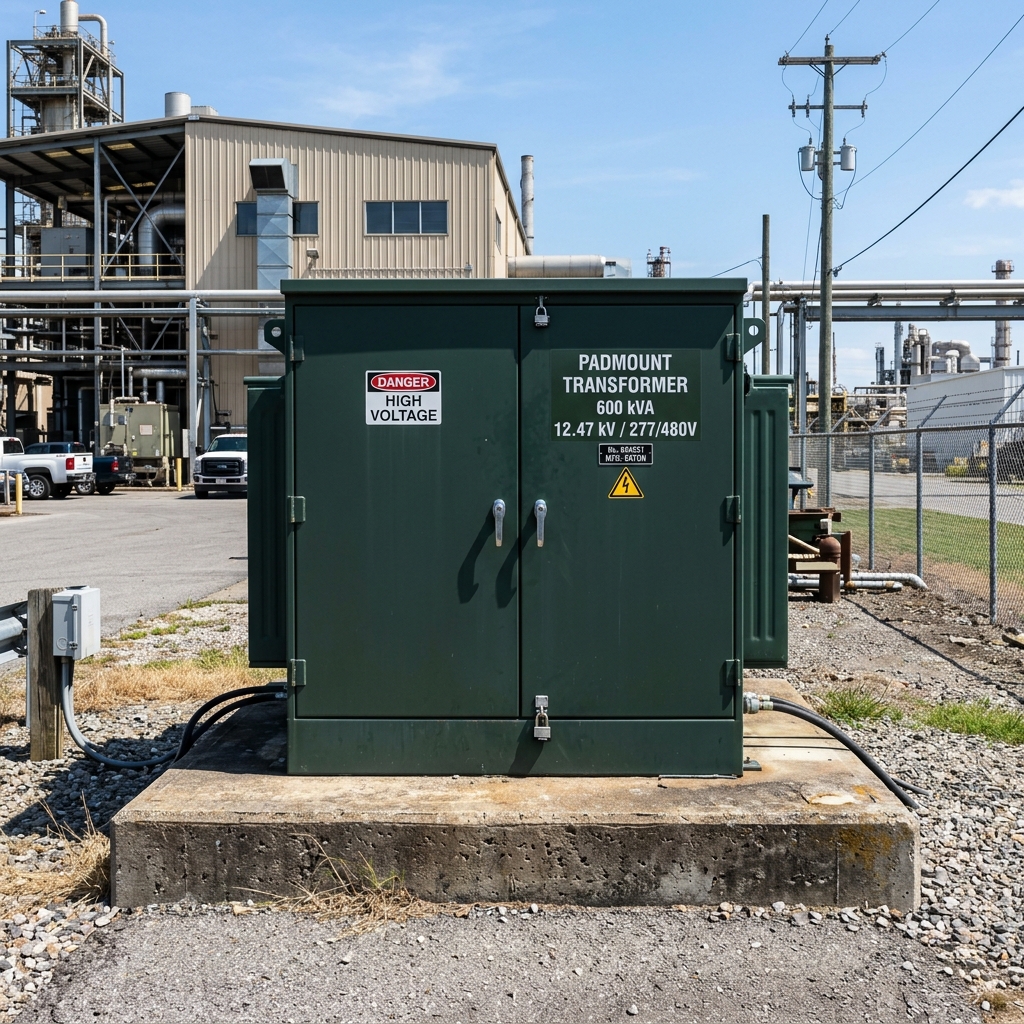
Top Export Liquid-Filled · Standard & Custom 3-Phase Hermetically Sealed Transformer
Features an elastic corrugated tank design that absorbs liquid thermal expansion without gas headspace. Eliminates oil-air contact, preventing oxidation and moisture ingress over decades of operation.
50 – 3,150 kVA Up to 35 kV IEC 60076
 IEEE Spec
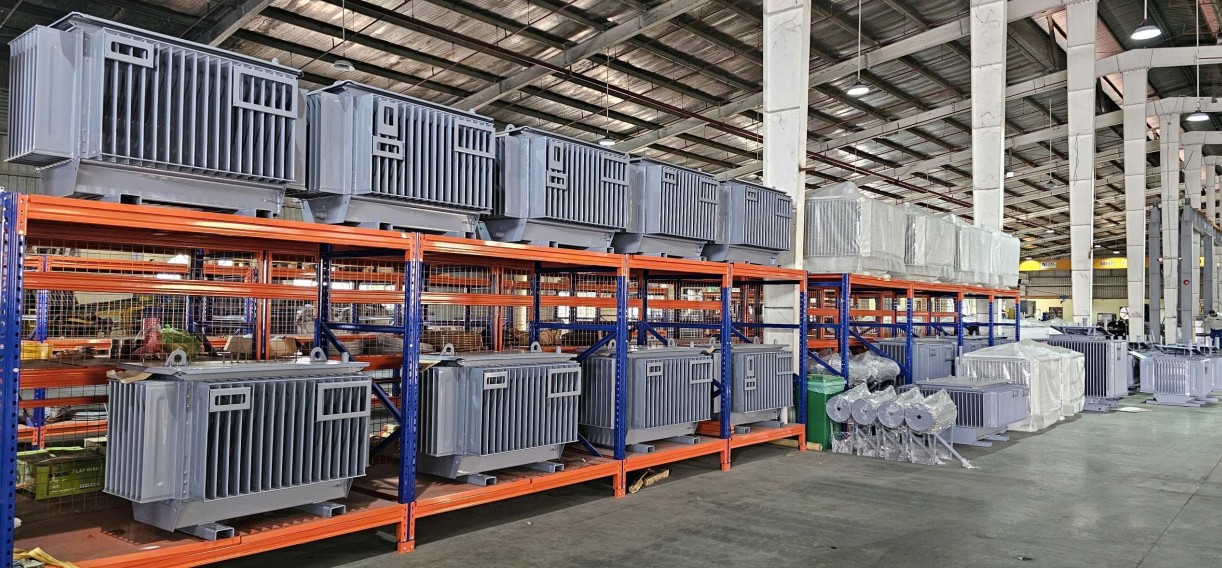
 Underground Network · Tamper-Proof Three-Phase Padmount Transformer
Tamper-resistant ground-level distribution unit equipped with separate high-voltage and low-voltage compartment doors, Bay-O-Net fusing, and loadbreak switches for radial or loop-feed circuits.
75 – 5,000 kVA IEEE C57.12.34 Dead-Front
 Renewable Energy
 Solar & Wind Step-Up · High Duty Substation Step-Up Transformer
Engineered for harsh inverter harmonics (K-Factor rated) and frequent step load changes. Features optional natural ester dielectric fluid (FR3) to mitigate fire risk and environmental contamination.
Up to 21 MVA Up to 69 kV K-Factor Rated
3. Enterprise Manufacturing Advantages & Quality Validation (E-E-A-T)
As a premier utility-grade equipment manufacturer in Southeast Asia, SOTEK Group operates a state-of-the-art 18,500 m² manufacturing facility located in Tien Son Industrial Park, Bac Ninh, Vietnam. Engineered to international standards, SOTEK combines advanced automated machinery with a strict quality control matrix compliant with ISO 9001:2015 (Quality Management System) and ISO 14001:2015 (Environmental Management System).
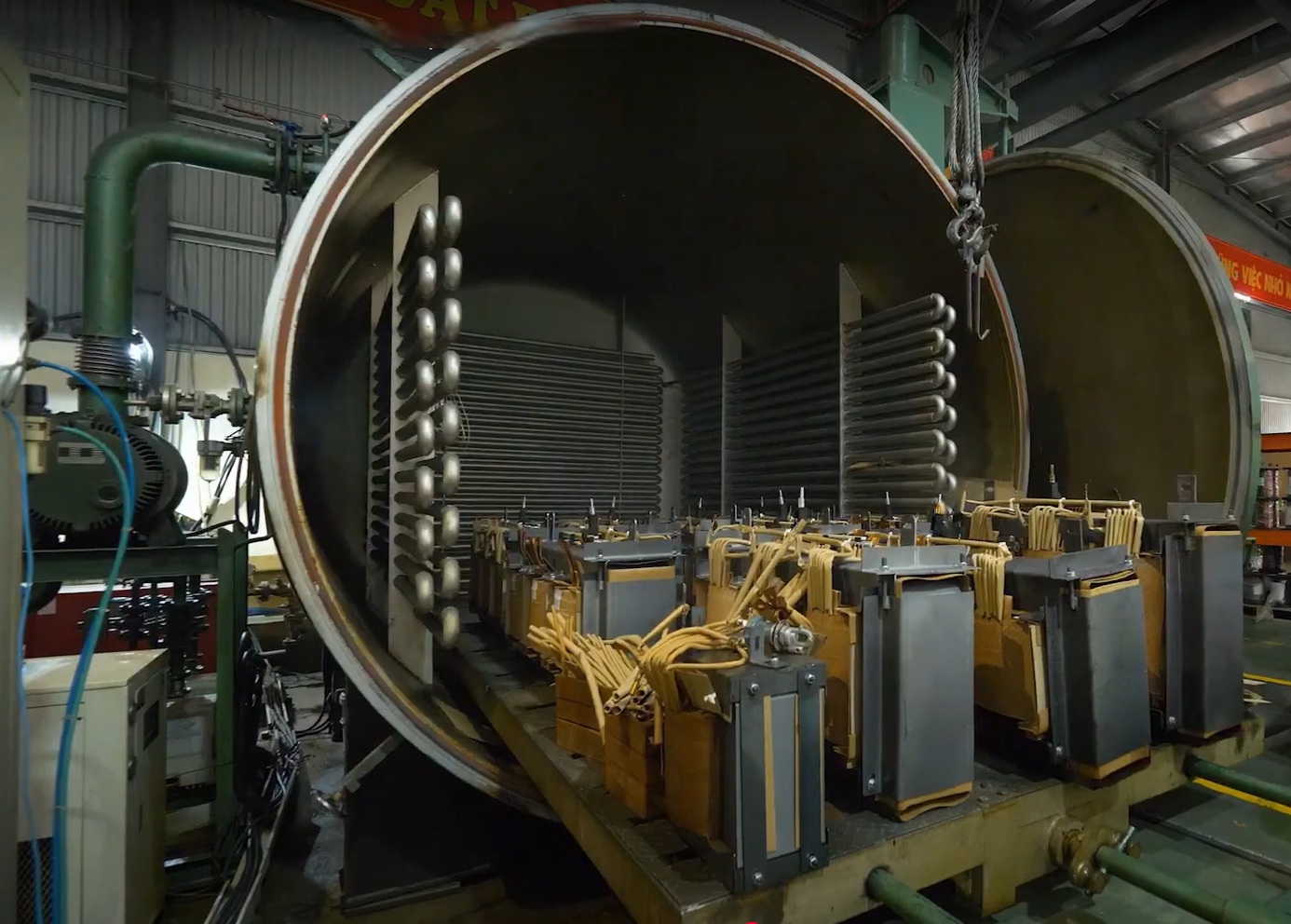 Figure 2: SOTEK Group High-Voltage Assembly and Testing Division in Bac Ninh, Vietnam.
 State-of-the-Art Production Machinery & Infrastructure
Our engineering authority and product reliability stem from automated manufacturing processes that eliminate human error and ensure strict compliance with project tolerance limits:
- Georg Germany CNC Core Cutting Lines: Automatic longitudinal shearing and step-lap core stacking machines deliver precision burr-free silicone steel cuts (< 0.02 mm burr height), minimizing magnetic flux leakage and maintaining tight no-load loss parameters.
- Automated High-Tension Foil & Layer Winding Machines: Digital tension feedback controls ensure uniform coil compression, eliminating internal void formation and guaranteeing high mechanical withstand strength against sudden short-circuit electromagnetic stresses.
- Hedrich Germany Vacuum Drying & Degassing Systems: Moisture inside transformer insulation degrades dielectric strength exponentially. SOTEK utilizes deep vacuum drying ovens (< 1 mbar pressure) to reduce residual moisture content in cellulose pressboard insulations below 0.5% prior to oil filling under vacuum.
- Automated Corrugated Tank Welding & Shot Blasting: Tank enclosures undergo full robotic welding, surface shot blasting to SA 2.5 cleanliness, and multi-layer C4/C5 marine-grade epoxy powder painting to resist severe atmospheric corrosion in coastal and industrial environments.
In-House ISO/IEC 17025 Accredited High-Voltage Test Laboratory (VILAS 1183)
Every single three-phase oil transformer produced at SOTEK undergoes comprehensive Factory Acceptance Testing (FAT) in our accredited laboratory prior to dispatch. We provide certified FAT documentation for routine and type testing including:
🧪
Routine Electrical Tests
Winding resistance measurement, voltage ratio & vector group verification, short-circuit impedance, load loss (copper loss) & no-load loss (core loss) measurement.
⚡
High-Voltage Dielectric Tests
Applied AC separate-source withstand voltage test, induced overvoltage test, and full-wave lightning impulse voltage test (up to 350 kV BIL).
🔥
Type & Special Validations
Temperature rise test (full thermal run-up under ONAN/ONAF ratings), sound level measurement, and short-circuit withstand verification (certified by KEMA / ASTA).
4. Global Procurement & Supply Chain Trends for Oil Transformers (2026–2030)
Global power distribution grids are undergoing a fundamental structural transition driven by decarbonization policies, renewable energy integration, electrification of transport (EV fleets), and aging utility infrastructure replacement in North America, Europe, and Southeast Asia. B2B procurement managers and EPC supply chain executives must navigate several emerging trends over the 2026–2030 horizon:
A. Shift Toward Supply Chain Diversification & Vietnam Manufacturing Hubs
To mitigate geopolitical risks, tariff spikes, and extended lead times associated with traditional manufacturing corridors, utility buyers are rapidly reallocating vendor portfolios toward Southeast Asian manufacturing hubs. Vietnam has emerged as a premier global hub for transformer manufacturing due to its robust industrial infrastructure, deep seaport logistics (Hai Phong Port), competitive labor, and direct EVN grid approval track record. SOTEK provides global buyers with high-volume production capacity, fast export turnaround times, and tariff advantages under multilateral free trade agreements (such as CPTPP, EVFTA, and RCEP).
B. Transition to Bio-Degradable Natural Ester Oils (FR3 Fluids)
While mineral insulating oil remains widely used due to cost-efficiency, global regulatory pressure regarding environmental liability and fire safety is accelerating adoption of natural ester fluids (derived from vegetable seeds). Natural ester fluids offer a high flash point (> 300°C vs 140°C for mineral oil), qualifying transformers as K-class fire-safe. Furthermore, ester liquids are 100% biodegradable within 28 days, rendering them ideal for environmentally sensitive sites like solar PV reservoirs, offshore substations, and dense urban zones.
C. Total Cost of Ownership (TCO) vs. Initial Purchase Price Evaluation
Leading power utilities (such as Aboitiz Power, EVN, and European DSOs) no longer procure three-phase oil transformers based solely on initial capital expenditure (CAPEX). Procurement models now mandate Total Cost of Ownership (TCO) capitalization formulas:
TCO Formula: TCO = Initial CAPEX + (A × No-Load Loss in kW) + (B × Load Loss in kW)
Where:
• A: Capitalized cost of no-load core loss ($/kW, typically $4,000 – $9,000/kW over 30 years)
• B: Capitalized cost of load winding loss ($/kW, typically $1,500 – $3,500/kW over 30 years)
By specifying high-grade CRGO or amorphous cores from SOTEK, buyers cut lifetime operational expenditure (OPEX) significantly, yielding total savings that far outweigh initial purchasing differentials.
Calculate Your Transformer Total Cost of Ownership (TCO)
Our engineering experts provide detailed capitalized loss evaluations tailored to your local grid tariff rates.
5. Next-Generation Technology & Smart Grid Integration Trends
The integration of digital intelligence, predictive maintenance sensors, and ultra-high efficiency materials is transforming the traditional three-phase oil transformer from a passive asset into a smart node within modernized smart grids.
Smart IoT Monitoring & Online Dissolved Gas Analysis (DGA)
For critical power substations and industrial facilities, unpredicted transformer failures result in catastrophic downtime costs. Next-generation three-phase oil transformers are increasingly specified with integrated smart sensors and online monitoring units that collect real-time operational data:
- Online DGA Monitoring: Real-time tracking of dissolved hydrogen ($H_2$), acetylene ($C_2H_2$), and methane ($CH_4$) gas concentrations inside the oil tank to detect incipient thermal faults and arcing before breakdown occurs.
- Fiber-Optic Temperature Sensing: Direct winding hot-spot temperature monitoring using embedded fiber-optic probes, replacing traditional thermal replica indicators for accurate real-time dynamic overload capacity estimation.
- Digital Bushings & Moisture Sensors: Continuous tracking of oil moisture ppm levels and dielectric tan delta (power factor) degradation.
Harmonic Resilience for Renewable Energy & EV Fast-Charging Loads
Modern power grids face severe power quality challenges due to non-linear loads created by solar PV inverters, wind turbine converters, and high-power DC fast-charging stations for electric vehicles. These non-linear loads introduce high-frequency harmonic currents (3rd, 5th, 11th, 13th harmonics), causing stray loss heating in transformer windings and core saturation. Future-ready three-phase oil transformers from SOTEK are custom engineered with specialized K-Factor insulation ratings (K-4, K-13, K-20), electrostatic shielding between HV/LV windings, and de-rated thermal densities to handle severe harmonic distortion without thermal degradation.
6. Comprehensive B2B Procurement FAQ (AI & Search Intent Answers)
Global procurement officers, electrical consultants, and engineering buyers frequently ask detailed technical questions when sourcing three-phase oil transformers. Below are direct engineering answers to the most common search queries:
Q1: What is the difference between hermetically sealed and conservator-type three-phase oil transformers?
Hermetically Sealed Transformers: The tank is completely sealed without an air space, and dielectric oil expands/contracts via elastic flexible corrugated tank fins. Since insulating oil never contacts atmospheric oxygen or moisture, oil oxidation and sludging are eliminated, making these transformers practically maintenance-free over a 25-30 year service life. Ideal for ratings up to 3,150 kVA / 35 kV.
Conservator-Type Transformers: Feature an external expansion reservoir tank (conservator) mounted above the main tank. As oil heats up, it expands into the conservator. Air is exchanged with the atmosphere via a silica gel dehydrating breather. This design allows easy access for oil sampling, gas relay (Buchholz) monitoring, and is suitable for higher power ratings (up to 21,000 kVA and 69 kV+).
Q2: How do I determine whether to choose copper (Cu) or aluminum (Al) windings for my project?
Both copper and aluminum windings meet all electrical efficiency, dielectric strength, and temperature rise criteria mandated by IEC 60076 and IEEE C57 standards when correctly engineered.
• Copper Windings: Offer higher conductivity, smaller total footprint, higher mechanical yield strength against severe short-circuit forces, and superior thermal conductivity. Recommended for heavy industrial sites, high surge environments, and compact substation spaces.
• Aluminum Windings: Offer significant initial CAPEX cost savings (typically 15% to 25% lower total transformer cost) and lighter weight for pole-mounting or transport. Cross-sectional conductor dimensions are enlarged to compensate for aluminum's lower electrical conductivity, achieving identical loss performance.
Q3: What are the standard vector groups for three-phase distribution transformers, and how do I select one?
The vector group indicates the phase angle displacement between high-voltage (HV) and low-voltage (LV) windings. The most common global distribution vector groups include:
• Dyn11 (Delta High-Voltage, Star Low-Voltage with Neutral, 30° phase lag): The standard global utility preference across Europe, Asia, Africa, and South America. Dyn11 allows 100% neutral unbalance loading and attenuates 3rd harmonic currents within the delta primary.
• Dyn5 (Delta High-Voltage, Star Low-Voltage with Neutral, 150° phase lag): Widely specified in specific regional grid utility codes.
• Yyn0 (Star High-Voltage, Star Low-Voltage): Used primarily in balanced distribution systems or specific step-down applications where neutral grounding is tied across HV and LV systems.
Q4: How does SOTEK ensure compliance with short-circuit withstand capabilities (IEC 60076-5)?
Short-circuit strength is critical to prevent mechanical coil collapsing or radial bursting under external grid fault conditions. SOTEK ensures short-circuit withstand capability through three key methods:
1. Finite Element Method (FEM) Computer Modeling: Dynamic calculation of electromagnetic axial and radial forces under peak fault current conditions during the design phase.
2. High-Density Pressboard Clamping & Pre-Shrinking: Coils undergo thermal sizing and hydraulic pre-compression under ton-level pressure before assembly.
3. Independent Laboratory Validation: Our designs have successfully passed physical short-circuit type tests conducted at independent testing facilities (including KEMA and QUATEST 1).
Q5: What are the typical lead times and logistics arrangements for global export orders from Vietnam?
Standard manufacturing lead times for customized three-phase distribution transformers range from 4 to 8 weeks depending on kVA rating, core material availability, and special accessories (such as On-Load Tap Changers). Standard units can be dispatched faster.
Logistics are handled seamlessly from SOTEK's plant in Bac Ninh via Hai Phong International Seaport (located 100 km via highway). We offer full Incoterms flexibility including FOB Hai Phong, CIF target port, or DDP direct to your job site, complete with heavy-duty export seaworthy wooden crate packaging and moisture-sealed barrier packing.
Q6: What warranties and technical field support does SOTEK provide for international B2B clients?
Every SOTEK three-phase oil transformer is backed by a standard 24-month operational warranty (or up to 36 months from shipment date). We provide comprehensive remote digital commissioning support, detailed installation manuals, spare parts packages (gaskets, bushings, protection relays), and can dispatch field engineers for on-site technical supervision for major substation projects worldwide.
7. Technical Buyer Checklist for Three-Phase Oil Transformer Procurement
To request an accurate quotation and avoid technical mismatch during engineering design review, buyers should prepare the following parameters when submitting an inquiry:
- Rated Power Capacity: (kVA or MVA rating, e.g., 500 kVA, 1,000 kVA, 2,500 kVA, 10 MVA)
- Primary Voltage & Tapping Range: (e.g., 22 kV ± 2 × 2.5% Off-Circuit Tap Changer DETC or On-Load Tap Changer OLTC)
- Secondary Voltage & Frequency: (e.g., 400V / 230V, 415V, or 480V at 50 Hz or 60 Hz)
- Vector Group & Winding Material: (e.g., Dyn11, Dyn5, Yyn0 | Copper vs. Aluminum)
- Loss Level Standard: (e.g., IEC 60076 standard losses, EU EcoDesign Tier 2, or customized max losses in watts)
- Insulating Medium: (Standard Mineral Oil IEC 60296 vs. Natural Ester Fluid FR3)
- Enclosure & Protection Grade: (Outdoor IP55, Corrugated Tank, Padmount Cabinet, C4 Marine Paint)
- Required Optional Accessories: (Buchholz Relay, Oil Temperature Indicator OTI, Winding Temperature Indicator WTI, Pressure Relief Device PRD, Magnetic Oil Level Gauge MOLG)
Ready to Upgrade Your Grid Infrastructure?
Contact SOTEK's engineering team today for technical data sheets, CAD outlines, and competitive factory-direct quotes.