Distribution Transformer Technical Articles, Industry Insights & Grid Updates — SOTEK Group

Engineering Knowledge · IEC 60076 & IEEE C57

Transformer Insights &
Technical Articles

Discover in-depth engineering updates, technical specifications, and global power grid solutions from SOTEK.

Grid Innovation · High Reliability

Cast Resin &
Dry-Type Technology

Learn about advanced insulation classes, fire safety standards, and indoor substation design guidelines.

Underground Distribution · Utility Standards

Padmount &
Substation Engineering

Explore compartmentalized padmount transformer configurations engineered for global power utilities.

0%

An Oil-immersed distribution transformer reduces medium-voltage electricity to safer levels for homes, workshops, and commercial buildings. Its steel tank contains mineral oil, windings, a magnetic core, and insulation made from carefully treated cellulose. The oil performs two essential tasks. It carries heat toward the tank walls and strengthens electrical insulation around energized components. Radiators release that heat into the surrounding air. It works quietly. That silence matters in residential areas.

John J. Winders Jr., author of Power Transformers: Principles and Applications, states, “The transformer is the most important piece of equipment in an electrical power system.” His observation explains why small distribution units deserve serious engineering attention. A properly selected Oil-immersed distribution transformer must match load demand, voltage levels, short-circuit conditions, altitude, and installation temperature. Field technicians also inspect oil condition, bushings, gaskets, grounding, and unusual temperature changes. A faint oil leak near a flange should never be dismissed. Neither should a new humming sound. Reliability depends on details.

Still, no transformer design is perfect. Oil can age, insulation can absorb moisture, and overloaded equipment can overheat during peak demand. Maintenance records may also be incomplete, which creates avoidable uncertainty. Engineers therefore combine factory test results with field evidence before judging condition. This practical approach supports safer operation and longer service life. The following discussion explains how these transformers work, where they are used, and why maintenance decisions matter.
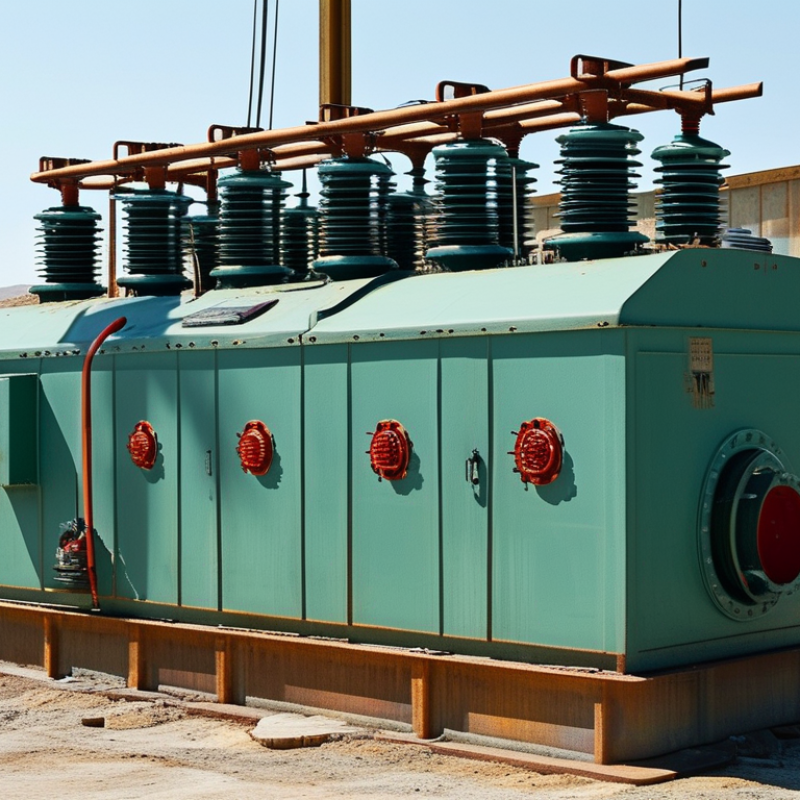
What Is an Oil Immersed Distribution Transformer?

Definition and Basic Function of an Oil-Immersed Distribution Transformer

What Is an Oil Immersed Distribution Transformer?

An oil-immersed distribution transformer transfers electrical energy between voltage levels near consumers. Its primary winding receives medium-voltage electricity, while its secondary winding supplies safer, usable voltage. The core and windings sit inside a sealed steel tank filled with insulating oil. This oil performs two essential jobs. It separates energized parts and carries heat toward the tank walls. Radiators then release that heat into surrounding air.

Electricity demand makes this equipment increasingly important. The International Energy Agency’s Electricity 2024 report projected global electricity demand growth of about 4% in 2024 and 2025. More demand means more local transformers operating for longer periods. The U.S. Energy Information Administration also reports that transmission and distribution losses commonly represent roughly 5% of generated electricity. Transformer efficiency therefore affects both operating cost and system capacity.

In field inspections, technicians check oil level, temperature, leaks, bushings, and unusual sound. A darkened oil sample may indicate oxidation or contamination, but color alone cannot confirm failure. Dissolved-gas analysis provides stronger evidence. IEC 60076 standards define key requirements for transformer design, testing, and temperature performance. Still, standards cannot remove every practical weakness. Moisture can enter through aging seals. Overloading can quietly shorten insulation life. A transformer may appear normal outside. Its internal condition may tell another story.

Main Components and How the Transformer Transfers Electrical Energy

An oil-immersed distribution transformer reduces medium-voltage electricity to a usable level near homes, workshops, and commercial buildings. Its steel tank contains the core, windings, insulating oil, and connection terminals. The laminated steel core guides magnetic flux with lower energy loss. Copper or aluminum windings carry current around separate high-voltage and low-voltage coils. Insulating oil fills gaps, limits electrical breakdown, and carries heat toward the tank walls. Small details matter. A loose terminal or trapped moisture can shorten service life.

When alternating current enters the primary winding, it creates a changing magnetic field in the core. That changing flux passes through the secondary winding and induces a new voltage. The turns ratio controls the result: more primary turns than secondary turns usually means lower output voltage. Energy crosses magnetically, not through a direct metal connection between the two circuits. The tank releases heat through natural oil circulation and air cooling. In larger units, radiators provide more surface area. It is easy to imagine the oil as fuel, but it is not. It acts as an insulating and cooling medium.

Bushings carry conductors safely through the tank wall, while a tap changer adjusts voltage when supply conditions shift. Gaskets prevent leaks, and a pressure-relief device responds to abnormal internal pressure. During inspection, technicians check oil level, discoloration, damaged seals, unusual noise, and hot connections. These signs do not always reveal the whole condition. Testing insulation and winding resistance gives stronger evidence. Field practice also teaches caution: a quiet transformer can still contain a developing fault.

Types of Insulating Oil and Their Roles in Transformer Operation

What Is an Oil Immersed Distribution Transformer?

An oil-immersed distribution transformer transfers electrical energy through windings surrounded by insulating liquid. The liquid performs two jobs: dielectric separation and heat removal. Mineral insulating oil remains the most widely used option because it flows easily, cools efficiently, and supports established maintenance practices. However, it can burn readily. Its typical fire point is near 160°C, although test methods and formulations affect the result.

Natural ester oil comes from renewable plant-based sources. IEC 62770 recognizes natural esters for electrical insulation, while CIGRE Technical Brochure 436 reviews their field experience. Natural esters often show fire points above 300°C and absorb moisture more effectively than mineral oil. That can slow paper insulation aging, but excessive water still reduces dielectric strength. Synthetic esters offer similar fire-safety advantages, with improved oxidation stability in some applications. Silicone fluids provide strong thermal stability, yet their cost and environmental handling requirements may limit adoption.

Oil selection should match load, climate, enclosure design, and maintenance capability. IEC 60422 recommends monitoring breakdown voltage, water content, acidity, and dissolved gases. ASTM D3487 also defines key quality tests for mineral insulating oil. A clean sample is not proof of a healthy transformer. Sampling technique matters. So does history. I have seen operators focus on oil color while overlooking rising moisture and temperature trends. That shortcut is understandable, but unreliable.

What Is an Oil-Immersed Distribution Transformer?

An oil-immersed distribution transformer uses insulating liquid to provide electrical insulation and transfer heat from the windings and core to the tank and cooling surfaces. The chart compares representative flash-point and fire-point values for commonly used transformer fluids. Actual values vary by formulation and test method.

Mineral oil is widely used because it offers effective insulation and cooling. Natural and synthetic ester fluids generally provide higher fire safety margins, while also supporting applications where biodegradability or improved moisture tolerance is important. Silicone fluids are selected for specialized fire-resistant transformer installations.

Cooling, Insulation, and Voltage Distribution Processes

What Is an Oil Immersed Distribution Transformer?

An oil immersed distribution transformer transfers electrical energy between voltage levels. It uses mineral or approved insulating oil around the windings and core. This oil performs two essential jobs: insulation and cooling. The oil separates energized components and reduces the risk of internal electrical breakdown. Paper insulation around the windings adds another protective layer. Moisture remains a serious concern because it weakens both materials.

Inside the tank, heated oil rises naturally and cooler oil moves downward. This circulation carries heat toward the tank walls and external radiators. Ambient air then removes the heat from the metal surfaces. Larger units may use fans or pumps for stronger cooling. During field inspections, technicians check oil levels, temperature indicators, bushings, and possible leaks. A small leak can become a major reliability problem.

Voltage distribution follows electromagnetic induction. The high-voltage winding receives incoming power and creates magnetic flux in the laminated steel core. The low-voltage winding then produces a safer output for local networks. The winding ratio determines the main voltage change. A tap changer makes smaller adjustments when supply voltage varies. It helps maintain stable service voltage, but it cannot correct every network problem. Oil sampling and dissolved gas analysis can reveal overheating, arcing, or insulation aging. However, maintenance records are sometimes incomplete, making diagnosis less certain. Good results depend on careful testing, clean connections, and realistic loading.

What Is an Oil Immersed Distribution Transformer? - Cooling, Insulation, and Voltage Distribution Processes

Data Dimension Typical Information How It Works or Why It Matters
Basic Definition A static electrical device that transfers alternating-current power between voltage levels through electromagnetic induction. It changes voltage without changing the power-system frequency and normally has no rotating mechanical parts.
Primary Application Utility distribution, commercial buildings, industrial facilities, renewable-energy sites, and residential networks. The transformer reduces medium-voltage electricity to a lower utilization voltage close to the point of consumption.
Common Power Ratings Approximately 50 kVA to 2,500 kVA for many distribution applications; larger ratings are also available for specialized installations. The required rating depends on connected load, expected demand, ambient conditions, harmonics, and future load growth.
Primary Voltage Range Common medium-voltage levels include approximately 3.3 kV to 36 kV, depending on the local electrical system. The primary winding is connected to the incoming medium-voltage feeder through suitable switching and protection equipment.
Secondary Voltage Range Typical low-voltage outputs include 400/230 V, 415/240 V, or other locally standardized three-phase voltages. The secondary winding supplies utilization equipment, distribution panels, motors, lighting systems, and other loads.
Core Material Laminated electrical steel, commonly using grain-oriented steel for magnetic cores. Thin insulated laminations reduce eddy-current losses, while the magnetic core provides a low-reluctance path for flux.
Winding Material Copper or aluminum conductors with paper, pressboard, enamel, or other compatible insulation systems. The winding turns ratio establishes the voltage relationship between the primary and secondary sides.
Insulating Liquid Mineral insulating oil is widely used; natural or synthetic ester fluids may be selected where fire safety or environmental performance is important. The liquid provides dielectric insulation and transfers heat from the active parts to the tank and cooling surfaces.
Insulation System Oil-paper insulation, solid pressboard barriers, spacers, and winding insulation are commonly used together. The combined liquid-and-solid system separates energized conductors and withstands operating and transient overvoltages.
Standard Cooling Method ONAN: Oil Natural circulation and Air Natural circulation. Heat moves naturally through the oil, tank walls, radiators, and surrounding air without pumps or fans.
Assisted Cooling Options ONAF: Oil Natural and Air Forced; OFAF: Oil Forced and Air Forced, generally used for higher loading requirements. Fans and, where applicable, oil pumps increase heat-transfer capacity and may permit a higher rated output.
Cooling Process Heat is generated by winding load losses, core losses, stray losses, and dielectric losses. Warm oil rises toward the tank top, cooler oil descends through the active part, and radiators release heat to ambient air.
Voltage Transformation Principle The approximate voltage ratio follows the turns ratio: V₁/V₂ ≈ N₁/N₂. More turns on the primary than on the secondary produce a step-down transformer for distribution service.
Frequency Designed for the system frequency, commonly 50 Hz or 60 Hz. A transformer changes voltage and current levels but does not normally convert the input frequency.
Tap-Changing Arrangement Off-circuit tap links are common; on-load tap changers may be specified for systems requiring voltage regulation during operation. Taps adjust the effective winding ratio to compensate for supply-voltage variation or voltage drop.
Voltage Regulation Often specified within a few percentage points, with the exact value depending on design, impedance, and loading conditions. Lower regulation generally means a smaller secondary-voltage change between no-load and rated-load operation.
Impedance Distribution-transformer impedance is commonly several percent, with the specified value determined by rating and system requirements. Impedance affects voltage regulation, fault current, parallel operation, and coordination with protective devices.
Typical Protection Features Fuses or circuit breakers, pressure-relief devices, oil-level indicators, temperature indicators, and surge protection. These devices help limit damage from short circuits, overtemperature, internal pressure, lightning, and abnormal operating conditions.
Routine Maintenance Visual inspection, leak checks, bushing inspection, temperature review, oil-level checks, and periodic oil-quality testing. Testing moisture, dielectric breakdown strength, acidity, and dissolved gases can reveal insulation aging or developing faults.
Main Advantages High efficiency, effective heat transfer, compact construction, and mature field-proven technology. The oil-and-radiator system supports reliable continuous operation when correctly designed, installed, and maintained.
Important Installation Considerations Ventilation, fire protection, oil containment, clearances, grounding, accessibility, and compliance with applicable electrical standards. Proper installation reduces safety risks, improves cooling performance, and supports dependable voltage distribution.

Applications, Benefits, and Routine Maintenance Requirements

Oil-immersed distribution transformers transfer medium-voltage electricity to safer, usable levels for homes, factories, farms, and commercial buildings. Mineral oil surrounds the windings, providing insulation and carrying heat toward the tank walls. This design suits outdoor substations, where loads remain steady and space is available.

The U.S. Department of Energy’s distribution-transformer analyses estimate that these units consume roughly 60 billion kilowatt-hours annually in the United States. Efficient cores can reduce no-load losses, which continue even when customer demand is low. The savings become meaningful across thousands of energized units. Utilities commonly select oil-immersed equipment for high thermal capacity, overload tolerance, and comparatively straightforward servicing. Field conditions still matter. A dusty yard can undermine a well-designed installation.

Routine maintenance begins with visual inspection. Technicians check oil leaks, cracked bushings, corrosion, unusual noise, and damaged gauges. Oil temperature and load records can reveal gradual deterioration. The IEEE Guide for Diagnostic Field Testing of Fluid-Filled Power Transformers recommends periodic testing of insulating fluid, including dielectric strength, moisture, acidity, and dissolved gases. Sampling must follow controlled procedures; poor sampling can create misleading results. Maintenance teams should also tighten connections, verify grounding, inspect pressure-relief devices, and remove vegetation around the enclosure. CIGRE technical guidance emphasizes condition-based assessment rather than relying only on calendar intervals. That approach is practical, but imperfect. A transformer can pass laboratory tests and still fail after heat, moisture, or repeated overloads.

FAQS

What is an oil-immersed distribution transformer?

It transfers electrical energy between voltage levels near homes, workshops, and commercial buildings. Its tank contains windings, a steel core, and insulating oil. The oil separates energized parts and carries heat away. It is not fuel.

How does this transformer reduce voltage?

Alternating current enters the primary winding and creates changing magnetic flux. The flux passes through the core and induces voltage in the secondary winding. The winding turns ratio controls the output voltage. Energy crosses magnetically.

What are the main internal components?

Important parts include the laminated steel core, high-voltage winding, low-voltage winding, tank, oil, bushings, gaskets, and terminals. Radiators increase cooling surface area. A loose terminal can create heat. Small faults matter.

Why is insulating oil important?

The oil prevents electrical breakdown between energized parts. It also carries heat toward the tank walls and radiators. Natural circulation often provides cooling. Oil quality gradually changes with moisture, heat, and oxidation.

What types of insulating oil can be used?

Mineral oil flows easily and supports familiar maintenance practices. Natural and synthetic esters usually offer higher fire resistance. Silicone fluids provide strong thermal stability. Selection depends on climate, load, enclosure design, and maintenance skills.

Can oil color confirm transformer failure?

No. Dark oil may suggest oxidation or contamination, but color alone proves little. Testing water content, acidity, breakdown strength, and dissolved gases gives stronger evidence. A clean sample can still hide trouble.

What should technicians inspect during routine maintenance?

They check oil level, temperature, leaks, bushings, seals, terminals, and unusual sounds. Insulation and winding-resistance tests reveal more than visual inspection. Look for trends, not one reading. A quiet unit may still have an internal fault.

What problems can shorten transformer service life?

Overloading raises temperature and accelerates insulation aging. Moisture can enter through aging seals and reduce dielectric strength. Trapped water is especially concerning. Some outside signs appear normal while internal damage develops quietly.

Conclusion

An Oil-immersed distribution transformer is an electrical device designed to reduce medium or high voltage to a safer level for homes, commercial buildings, and industrial facilities. It transfers electrical energy through electromagnetic induction between primary and secondary windings, supported by components such as the core, windings, tank, bushings, conservator, and protective fittings. The insulating oil surrounds the active parts, preventing electrical discharge and helping maintain reliable operation.

Different oils, including mineral-based and biodegradable insulating fluids, can provide insulation and heat transfer according to operating requirements. During operation, heat generated in the windings and core moves into the oil and is released through the tank surface or cooling equipment. This process supports stable voltage distribution and reduces thermal stress. Oil-immersed distribution transformer units are widely used in utility networks and facility power systems because they offer efficient performance, strong insulation, and practical long-term service. Routine maintenance should include checking oil level and condition, inspecting seals and bushings, monitoring temperature, testing insulation, removing contamination, and identifying leaks or unusual sounds before they develop into serious faults.

Ethan

Ethan

Ethan is a dedicated marketing professional with a deep understanding of the company’s products, customers, and evolving market needs. Through a combination of industry knowledge, analytical thinking, and clear communication, he helps present complex product information in a practical and engaging......