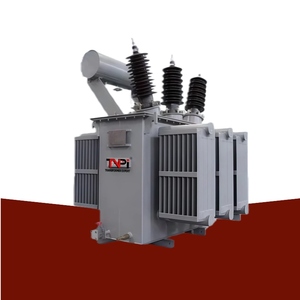
69kV 33kV 10MVA 20MVA 30MVA ONAN Copper Oil Immersed Power Transformer for Substation Step Down
Up to 69kV
10MVA - 30MVA
ONAN Cooling
100% Copper
Contact Us
Precision-engineered step-down, isolation, and dry-type transformer substations designed for industrial power distribution, utility infrastructure, and commercial complexes.
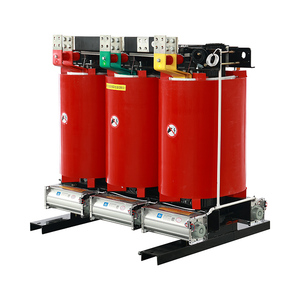
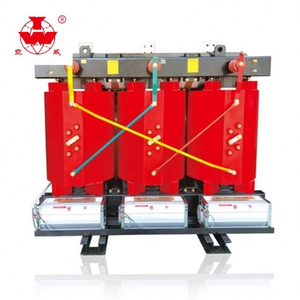
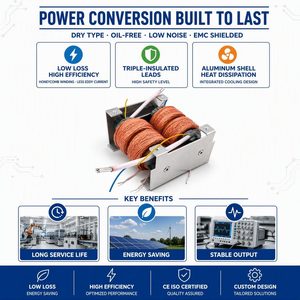
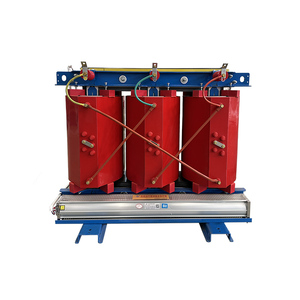
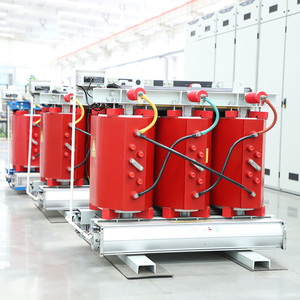
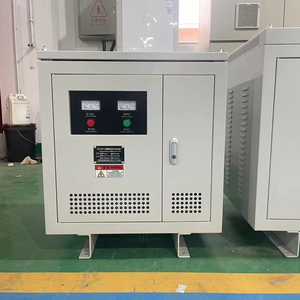
In the rapidly shifting landscape of modern power distribution, selecting top-tier China Compact Substation Manufacturers requires a rigorous evaluation of design standards, operational losses, short-circuit withstand capabilities, and enclosure protection degrees. Prefabricated Compact Substations (also referred to as Package Substations or CSS) integrate Medium Voltage (MV) switchgear, distribution transformers, and Low Voltage (LV) distribution panels into a single, factory-tested, arc-proof enclosure.
According to global grid integration guidelines under IEC 62271-202 and IEEE C57.12.28, compact substations reduce urban land footprint by up to 70% compared to traditional open-yard construction while guaranteeing operator safety through Internal Arc Classification (IAC). China's leading manufacturing ecosystems have achieved unprecedented technological maturity, deploying laser-cut Cold-Rolled Grain-Oriented (CRGO) silicon steel cores, automated vacuum resin casting chambers, and digitalized DGA (Dissolved Gas Analysis) sensors into intelligent grid assets.
Compact substations are structured into three segregated operational zones, each thermally and electromagnetically isolated to ensure maximum reliability and maintenance protection.
Housing SF6-insulated Ring Main Units (RMU), vacuum circuit breakers (VCB), or green eco-gas switchgear operating from 11kV up to 40.5kV. Outfitted with capacitive voltage indication, interlocking earthing switches, and high-breaking-capacity current-limiting fuses to isolate network faults within milliseconds.
Houses either hermetically sealed oil-immersed transformers (utilizing high-grade mineral oil or biodegradable natural synthetic esters) or Class F/H cast resin dry-type transformers. Equipped with automated louver ventilation, forced-air cooling fans, anti-vibration dampers, and temperature sensors (PT100).
Integrates main air circuit breakers (ACB), molded case circuit breakers (MCCB), automatic busbar transfer systems (ATS), power factor correction (PFC) capacitor banks, and smart IoT telemetry meters for real-time remote monitoring and automated load balancing.
Evaluating Total Cost of Ownership (TCO), footprint requirements, and deployment velocity across modern grid infrastructure projects.
| Evaluation Vector | Traditional Civil Substation | Compact Prefabricated Substation (CSS) | Underground Modular Substation |
|---|---|---|---|
| Civil Footprint | 100% Base Footprint (Large site prep required) | 25% – 30% of Traditional Site | 15% Sub-surface footprint |
| Installation & Commissioning | 6 – 12 Months (On-site assembly, high labor cost) | 1 – 3 Days (Plug-and-Play Factory Tested) | 2 – 4 Weeks (Civil cavity preparation) |
| Safety & Internal Arc Rating | Variable based on field construction quality | IAC AB / IAC AFLR tested (IEC 62271-202) | Fully enclosed, flood-resistant IP68 designs |
| Environmental Resistance | Exposed switchgear susceptible to ambient dust/salt | C5-M Anti-corrosion / IP54 IP55 Stainless Housing | Submersible housing (Hermetically Sealed) |
| Capital Expenditure (CAPEX) | High civil construction & design costs | 30% – 45% Lower Overall Project Cost | Higher initial shell cost, zero land purchase cost |
Global energy transition, high-density urbanization, and the rise of utility-scale renewable generation are redefining technical requirements for package substations. Key trends shaping procurement decisions include:
Utilities are rapidly replacing mineral oil with natural and synthetic ester fluids (such as FR3). Ester fluids offer high fire points (>300°C), zero soil-water hazard, and extended paper insulation longevity, facilitating safer installation in dense residential zones and water protection areas.
Modern package substations incorporate edge computing modules, wireless thermal sensors on copper busbars, optical partial discharge monitoring, and online DGA analysis. Compliant with IEC 61850 protocols, these features enable predictive maintenance and seamless integration into Smart Grid SCADA architectures.
Driven by net-zero carbon directives and EU Tier 2 Eco-design regulations, compact substation transformers now feature Fe-B-Si amorphous alloy cores or domain-refined CRGO silicon steel. These advanced core material designs reduce no-load energy losses by 60% to 80% compared to legacy designs.
To eliminate fluorinated greenhouse gases, compact substation medium-voltage compartments are shifting toward Clean Air insulated switchgear, vacuum interruption technology, and solid-insulated switchgear (SIS), satisfying environmental mandates without compromising breaking capacity.
Compact substations tailored for utility-scale PV plants and wind energy farms feature dual-LV winding configurations to accept multi-inverter inputs, integrated with oil storage containment pits, lightning arresters, and communication gateways optimized for harsh outdoor environments.
Demands for offshore wind substations, coastal installations, and desert power projects have driven the deployment of aluminum-zinc coated steel, stainless steel 304/316L, and marine-grade C5-M polyurea powder coatings to ensure a structural service lifespan exceeding 30 years.
From raw material selection to automated assembly and laboratory type testing, our manufacturing ecosystem adheres strictly to global quality assurance and environmental directives.
Our state-of-the-art 18,500 m² manufacturing plants utilize Georg automated CNC core-cutting lines, automated layer-winding machines, Hedrich vacuum casting resin chambers, and robotic corrugated tank welding systems to ensure tight physical tolerances and zero-defect execution.
All finished units undergo comprehensive Factory Acceptance Testing (FAT) within our VILAS 1183 certified laboratory. We perform routine, type, and special tests—including lightning impulse voltage withstand tests up to 350kV, short-circuit withstand validation, and acoustic noise measurements.
Approved by tier-1 utilities including EVN (Vietnam) and Aboitiz Power (Philippines), our transformers and compact substations comply with ISO 9001:2015, ISO 14001:2015, ASTA, and KEMA standards. We export to over 30 countries with full Incoterms support (FOB, CIF, DDP).
Essential questions answered for electrical project engineers, utility procurement managers, and EPC project managers.
Partner with an established China Compact Substation Manufacturer. Submit your single-line diagram (SLD), voltage level requirements, and environmental specifications for a detailed engineering proposal within 24 hours.
Contact Us