Distribution Transformer Technical Articles, Industry Insights & Grid Updates — SOTEK Group
Featured Oil-Immersed & Industrial Transformer Catalog
Engineered in compliance with IEC 60076, IEEE C57, and ISO 9001 standards. Request technical drawings and B2B wholesale quotes directly from our OEM/ODM production lines.
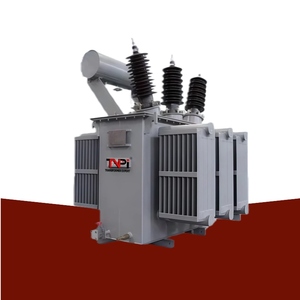
69kV 33kV 10MVA 20MVA 30MVA ONAN Copper Oil Immersed Power Transformer for Substation Step Down
- Voltage Class: Up to 69kV / 33kV Step Down
- Cooling Method: ONAN / ONAF Liquid Immersion
- Conductor: 99.99% Electrolytic Copper Winding
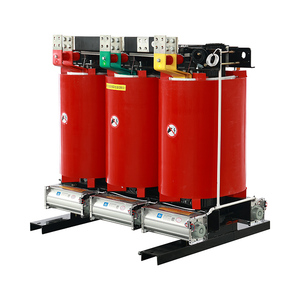
3-phase Dry Type Isolation Transformer 100kva High Voltage Dry Type Industrial Transformer
- Capacity: 100 kVA Continuous Rating
- Type: Cast Resin Dry-Type Isolation
- Insulation Class: Class H (180°C Thermal Rating)
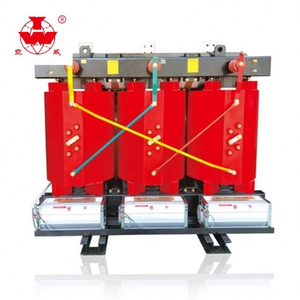
YAWEI China Factory Supply 10/11kv 500kva 1000 Kva Step Down 1600kva 2500 Kva Dry Type Transformer with Cooling Fan
- Power Range: 500kVA to 2500kVA
- Voltage: 10kV / 11kV Step-Down Distribution
- Features: Forced Air Cooling Fans Installed
CE Certified Low-frequency 10Kva 15Kva 20Kva 25Kva 30Kva 50Kva 35kV To 380V 400V Step Down Three Phase Dry Type SMPS Transformer
- Voltage Input: 35kV High Voltage Step Down
- Output: 380V / 400V Commercial Grid
- Compliance: CE Certified Low Frequency
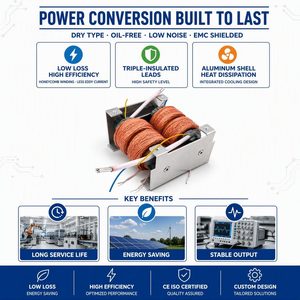
Single Phase 6kV to 220V High Frequency Honeycomb Transformer Dry Type Isolation Power Transformer Industrial Custom Transformer
- Configuration: Single Phase Custom Winding
- Voltage Conversion: 6kV to 220V step-down
- Structure: Honeycomb Low-Loss Core Design
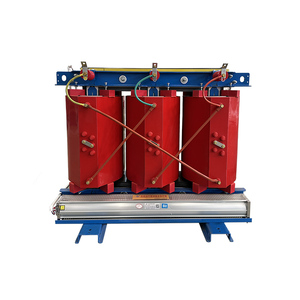
Three Phase Dry Type Transformer 50HZ/60HZ Frequency Transformer 10KV 35KV Dry Type Resin Transformer With Good Price
- Frequency: 50Hz / 60Hz Dual Compatible
- Voltage Level: 10kV to 35kV Medium Voltage
- Encapsulation: Epoxy Cast Resin Seal
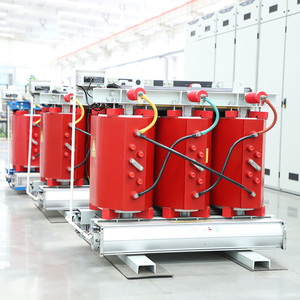
High Quality 630KVA Transformer High Voltage 20kv 415V 50 Hz 60 Hz Low Loss Dry Type Power transformers
- Power Capacity: 630 kVA Rated Power
- Primary/Secondary: 20kV Input / 415V Output
- Efficiency: Eco-Design Low Loss Standard
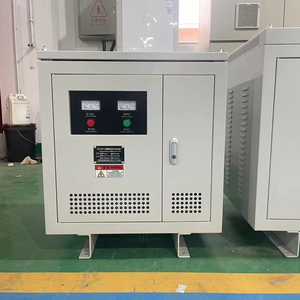
High Quality DingXin SG IEC60076 ISO CE Certified Three Phase Dry Type Step Up/Down Isolation Transformer 440V Input 220V Output
- Voltage Transformer: 440V Input / 220V Output
- Standard Compliance: IEC 60076, CE, ISO
- Application: Industrial Machinery Isolation
State of the Art: Transformer Oil Formulations & Manufacturing Standards
Electrical transformers are the critical backbone of modern power distribution networks, step-down substations, and industrial manufacturing plants. Within oil-immersed transformers, transformer insulating oil serves two vital functions: acting as a high-performance liquid dielectric insulation medium and functioning as a primary heat-dissipation coolant. Selecting top-tier dielectric fluids manufactured by leading Chinese factories directly dictates the thermal dissipation efficiency, operational safety factor, and overall lifecycle cost of utility grid infrastructure.
1. Chemical & Physical Classification of Insulating Transformer Oils
Modern high-voltage electrical transformers utilize three principal categories of insulating fluids, each possessing distinct chemical structures, flashpoints, and environmental profiles. Leading Chinese manufacturers engineer units optimized for each fluid type:
| Fluid Category | Chemical Base Structure | Flash Point (°C) | Dielectric Strength | Biodegradability | Primary Application Profile |
|---|---|---|---|---|---|
| Naphthenic Mineral Oil | Cycloalkane Hydrocarbons | 140°C – 155°C | > 70 kV (IEC 60156) | Moderate (~30%) | Standard Substation & Distribution Transformers (ONAN/ONAF) |
| Paraffinic Mineral Oil | Straight-Chain Alkanes | 150°C – 165°C | > 65 kV (IEC 60156) | Low (~20%) | High-Load Power Transformers (Requires Pour Point Depressants) |
| Natural Ester (Vegetable) | Triglycerides (Seed Oils) | > 330°C (K-Class) | > 75 kV (ASTM D1816) | Readily (> 98%) | Fire-Safe Urban Centers, Renewable Energy & Solar Inverters |
| Synthetic Ester Fluid | Pentaerythritol Esters | > 310°C (K-Class) | > 75 kV (IEC 60156) | High (> 90%) | Traction Transformers, Offshore Wind Turbines & Underground Substations |
Mineral-based dielectric oil refined from naphthenic crude remains the most widely specified liquid insulation due to its exceptional low-temperature viscosity and oxidation stability under continuous load. However, as global decarbonization mandates intensify, leading Chinese factories are accelerating the integration of natural ester fluids (such as FR3 formulations), which offer K-class high flash points exceeding 330°C, self-extinguishing safety profiles, and 100% non-toxic biodegradability.
Enterprise Infrastructure of Top China Transformer Oil & Apparatus Factories
Vacuum Oil Impregnation
Top Chinese transformer manufacturers utilize multi-stage vacuum drying chambers operating below 1 mbar pressure. This removes microscopic residual moisture from cellulose paper insulation before introducing degassed dielectric fluid, preventing insulation breakdown.
Precision CRGO Core Stacking
Utilizing cold-rolled grain-oriented (CRGO) silicon steel cut with Georg automated laser shearing lines, our core assemblies maintain step-lap joints that minimize no-load losses, eddy currents, and audible acoustic noise emission.
ISO/IEC 17025 Accredited FAT
Every oil-immersed unit undergoes Factory Acceptance Testing (FAT), including full lightning impulse withstand testing, short-circuit withstand validation, dissolved gas analysis (DGA), and dielectric breakdown breakdown testing.
Future Sourcing & Procurement Trends in Transformer Manufacturing (2025–2035)
Navigating the global power equipment supply chain requires understanding key technology shifts, material cost structures, and environmental regulations. International utility buyers, EPC contractors, and industrial plants sourcing from leading Chinese transformer factories should account for four strategic trends shaping the industry:
1. Transition to Bio-Based & Natural Ester Transformer Fluids
Due to stringent environmental regulations and fire safety codes in North America and Western Europe, municipal utilities are replacing toxic or flammable mineral oil with natural ester (vegetable) transformer fluids. Derived from renewable soybean or rapeseed crops, natural esters offer K-class flash points (> 330°C), preventing catastrophic transformer fires even in densely populated urban substations. Furthermore, natural esters draw moisture away from cellulose insulation, extending the operating lifespan of the solid insulation by up to 300%.
2. Integration of Online Dissolved Gas Analysis (DGA) Monitoring
Modern oil-immersed power transformers are shifting from passive electrical apparatus to intelligent smart grid nodes. Sourcing contracts increasingly demand factory-installed online Dissolved Gas Analysis (DGA) sensors. These sensors continuously sample dielectric oil for breakdown gases such as Hydrogen ($H_2$), Acetylene ($C_2H_2$), Ethylene ($C_2H_4$), and Methane ($CH_4$). By detecting micro-arcing, partial discharge, and localized thermal overheating early, utility operators can prevent sudden catastrophic grid outages.
3. Hybrid Dry-Type & Cast Resin Surge in Indoor Facilities
While oil-filled transformers remain superior for outdoor high-voltage transmission step-down substations (33kV to 69kV+), high-rise commercial structures, data centers, and underground railways prefer cast resin dry-type isolation transformers. Cast resin units eliminate oil leak risks, operate without oil containment pits, and meet strict environmental Class E2, C2, and F1 fire-resistance standards.
4. Supply Chain Consolidation & Cost Optimization in Chinese Factories
China's mature industrial ecosystem provides an unprecedented supply chain advantage for transformer manufacturing. Top manufacturers integrate core steel slitting, tank welding, copper wire drawing, and oil refining within synchronized industrial clusters. B2B procurement managers benefit from competitive raw material pricing, strict ISO compliance, and reduced factory lead times compared to Western counterparts.
Frequently Asked Questions (FAQ) — Transformer Sourcing
ONAF (Oil Natural Air Forced): External cooling fans blow air across radiator fins, increasing heat dissipation capacity by up to 25-33%.
OFAF (Oil Forced Air Forced): Internal oil pumps actively circulate fluid through external heat exchangers while fans blow forced air, designed for high-capacity substation transformers (e.g., 30MVA+).
Partner with China's Premier Transformer OEM/ODM Manufacturer
Direct factory pricing, custom engineering to IEC/IEEE specifications, rapid technical drawing verification, and full international logistics support for utility and EPC procurement managers worldwide.