Distribution Transformer Technical Articles, Industry Insights & Grid Updates — SOTEK Group
Critical Power Infrastructure: Tap Changer OEM Technical Review
Tap changers represent the single most vital mechanical-electrical switching device within power and distribution transformers. Responsible for adjusting turn ratios under varying load conditions (On-Load Tap Changers, OLTC) or during de-energized states (De-Energized Tap Changers, DETC), these components ensure ultra-precise voltage regulation across transmission grids, industrial processing facilities, and renewable energy substations. As global electrical grids shift toward high-penetration renewable integration and smart grid automation, selecting an engineering-compliant, high-reliability tap changer manufacturer has become a cornerstone of utility asset management and procurement strategy.
High-Performance Transformers & Tap Changer Integration
Explore SOTEK Group’s flagships engineered with precision multi-step tap changer controls, compliance-tested under IEC 60076, IEEE C57, and ISO 9001 standards.
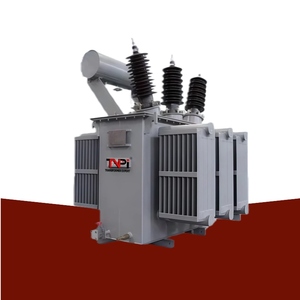 Substation Step-Down
69kV / 33kV 10MVA–30MVA ONAN Copper Oil Transformer
Heavy-duty oil-immersed power transformer equipped with high-precision motor-driven On-Load Tap Changer (OLTC) for seamless voltage stability.
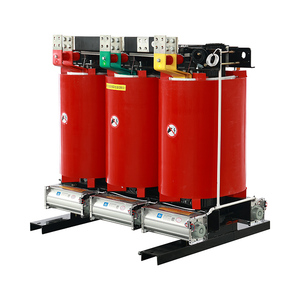 Industrial Dry-Type
3-Phase 100kVA High Voltage Dry Type Isolation Transformer
Rugged dry-type design featuring ±2×2.5% Off-Circuit Tap Changer (DETC) for custom voltage step adjustment in heavy industrial facilities.
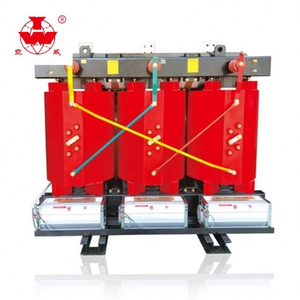 Forced Air Cooled
10kV/11kV 500kVA–2500kVA Cast Resin Dry Transformer
Engineered with smart automatic temperature control and integrated multi-position tap changer switches for optimized commercial grid step-down.
 HV Step-Down
35kV to 380V/400V Low-Frequency Dry Type SMPS Transformer
CE certified step-down transformer available from 10kVA to 50kVA featuring high-insulation tap selector terminals for low-loss switching.
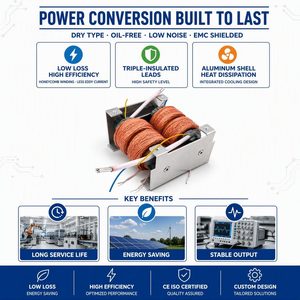 Custom Isolation
Single Phase 6kV to 220V Dry Isolation Honeycomb Transformer
Specialized industrial custom transformer designed with honeycomb winding structure and precision tap regulation for isolated step-down setups.
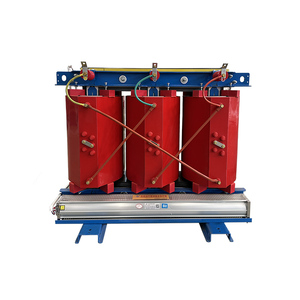 Medium Voltage
10kV / 35kV Three Phase Cast Resin Dry Power Transformer
High-reliability cast resin transformer built for 50Hz/60Hz municipal power distribution with flame-retardant epoxy & vacuum tap contacts.
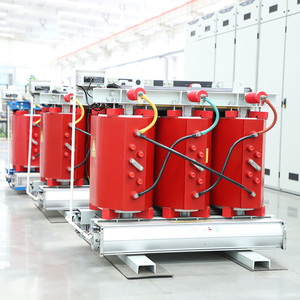 Low-Loss Standard
630kVA 20kV to 415V Low-Loss Dry Type Power Transformer
Premium 630kVA distribution unit engineered with high-conductivity copper windings and multi-step tap changing for commercial real estate.
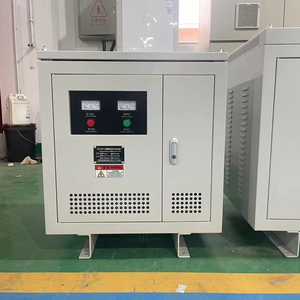 Dual Voltage
IEC60076 SG Dual-Voltage Isolation Transformer 440V/220V
ISO/CE compliant three-phase isolation step up/down transformer with reinforced terminal tap selection for global machinery exports.
SOTEK Group: Global Transformer & Tap OEM Specialist
Headquartered in the Tien Son Industrial Park (Bac Ninh, Vietnam), SOTEK Group stands as a premier ISO 9001:2015 and ISO 14001:2015 certified transformer manufacturing conglomerate. Spanning over 18,500 square meters of state-of-the-art facility space, SOTEK operates Georg core-cutting lines, Hedrich vacuum casting chambers, and fully automated corrugated tank welding robots capable of supplying distribution and power transformers up to 21,000 kVA / 69 kV class.
Top 10 Global Tap Changer Manufacturers & Factories Breakdown
A comprehensive analysis of the leading manufacturers shaping the power transformer voltage control landscape through vacuum switching, solid-state innovations, and rugged mechanical designs.
Maschinenfabrik Reinhausen (MR)
Undisputed global pioneer in tap changer engineering. Renowned for its VACUTAP® vacuum tap changer technology, MR produces state-of-the-art OLTCs and automated voltage regulators serving extra-high voltage transmission networks worldwide.
Hitachi Energy (Formerly ABB)
Manufacturing high-capacity tap changers including the UUZ and VUB types. Hitachi Energy focuses heavily on digital twin monitoring, integrated smart sensors (CoreTec), and vacuum interrupters for ultra-high reliability power transformers.
Huaming Power Equipment
One of the world's largest volume tap changer producers. Huaming manufactures a massive catalog of on-load and off-circuit tap changers, exporting to over 80 countries with extensive IEC/IEEE certification and cost-effective modular designs.
Shanghai Voltage Regulator Factory
Specializes in custom-built off-circuit tap changers (DETC) and linear/rotary tap switches tailored for distribution transformers, dry-type industrial cast resin transformers, and furnace applications.
SOTEK Engineering & OEM Partners
Combining advanced in-house transformer tank design with precision-matched international OLTC/DETC mechanisms. SOTEK provides custom step-up and step-down power units for EVN, Aboitiz Power, and Southeast Asian utilities.
Siemens Energy
Engineers integrated tap changer solutions for HVDC transformers and large power substations. Siemens focuses on zero-maintenance vacuum switching, eco-friendly ester insulation fluids, and IoT-driven preventive maintenance.
CTR Transformer Tap Changers
Dominates the East Asian industrial transformer component market, producing compact, high-durability tap selectors and diverter switches with exceptional short-circuit withstand withstand metrics.
Eaton Corporation
Key vendor for IEEE C57 compliant padmounted transformer tap switches. Eaton’s Cooper Power series provides tamper-proof, dead-front voltage regulation switches optimized for underground distribution networks.
Hyundai Electric
Produces large-capacity on-load tap changers specifically engineered for marine transformers, offshore wind power platforms, and high-capacity steel manufacturing power sub-stations.
Zez Silko / European Component Co.
Respected European manufacturer providing robust off-load tap switches, motorized drives, and digital position indicators for distribution transformers across EU utilities.
Technical Comparison: OLTC vs. DETC Tap Changers
| Parameter / Feature | On-Load Tap Changer (OLTC) | De-Energized Tap Changer (DETC) |
|---|---|---|
| Operating State | Switches during full continuous load operation | Requires total grid transformer de-energization |
| Arc Quenching Medium | Vacuum interrupter bottle or transformer mineral/ester oil | Air or insulating oil (no active arcing during switch) |
| Application Scope | Main substations, power grids, fluctuating renewable ties | Distribution transformers, seasonal industrial settings |
| Control Mechanism | Motor drive unit (MDU), automatic voltage regulator (AVR), SCADA | Manual top-cover handle or side rotational switch wheel |
| Typical Cost Impact | Higher capital expenditure; high operational capability | Economical capital cost; simple mechanical structure |
| Maintenance Cycle | 300,000 to 500,000 switching operations (Vacuum series) | Periodic inspection during routine transformer maintenance |
Future Technological Trends in Tap Changer Manufacturing
Driven by global decarbonization goals, smart grid digitization, and severe climate resilience demands, tap changer technology is undergoing a massive transformation.
1. Rapid Transition to Vacuum Tap Switching (VOTC)
Conventional oil-arc tap changers create carbon soot and gas contamination within insulating oil, requiring frequent oil filtration and contact replacement. Modern power utilities are mandating Vacuum Tap Changers. By enclosing the electrical arc within hermetically sealed vacuum bottles, contact wear is drastically minimized, extending switching service life up to 500,000 operations without oil contamination.
2. AI-Powered IoT & Digital Twin Monitoring (IEC 61850)
Smart grids demand real-time diagnostics. Next-generation tap changers are equipped with vibration sensors, drive motor torque monitoring, contact erosion analytics, and dissolved gas analysis (DGA) interfaces. Operating under IEC 61850 communication protocols, predictive AI algorithms forecast mechanical wear before faults occur.
3. Compatibility with Biodegradable Synthetic Esters (FR3)
Environmental regulations and fire safety codes in urban substations are driving the adoption of natural and synthetic ester transformer fluids (such as Cargill FR3). Tap changer manufacturers are redesigning sealing gaskets, diverter contact geometries, and hydraulic clearances to operate seamlessly with high-viscosity, non-toxic ester fluids.
4. Solid-State & Hybrid Electronic Tap Changers
To counteract extreme voltage fluctuations caused by solar PV reverse power flows and EV rapid charging stations, solid-state tap changers utilizing thyristors and IGBTs are emerging. These hybrid devices achieve sub-cycle switching speeds (under 20 milliseconds) with zero mechanical wear.
B2B Procurement Trends: What Utility & EPC Buyers Must Know
Procuring transformers integrated with high-durability tap changers requires evaluating factors far beyond the initial purchase price. In modern utility asset management, Total Cost of Ownership (TCO), supply chain resilience, and international engineering standard compliance are paramount.
Key B2B Sourcing Directives:
- Mandatory Type Test Validation: Ensure your transformer OEM provides comprehensive ASTA, KEMA, or QUATEST 1 short-circuit withstand and temperature rise certificates verified with the exact tap changer model installed.
- Lead-Time Mitigation: Major European tap changer OEMs currently face extended 40 to 60-week lead times. Leading Asian manufacturers like SOTEK Group offer agile manufacturing pipelines, delivering fully tested IEC/IEEE compliant transformers in 12 to 16 weeks.
- Standardized Motor Drive Interfaces: Specify motor drive units (MDU) that feature flexible SCADA control interfaces (4-20mA, Modbus RS485, Ethernet IP) to avoid vendor lock-in during grid automation upgrades.
- Regional Environmental Compliance: Coastal installations require tropicalized IP56-rated drive cabinets with anti-condensation space heaters and C4/C5 marine-grade protective coatings.
Frequently Asked Questions on Tap Changer Sourcing
Expert responses to critical technical and commercial procurement inquiries from grid engineers and procurement managers.
What is the main functional difference between OLTC and DETC?
An On-Load Tap Changer (OLTC) adjusts transformer turns ratio while the transformer is fully energized and supplying current to the load, providing uninterrupted power regulation. A De-Energized Tap Changer (DETC) requires the transformer to be completely disconnected from the power grid before manually adjusting tap positions.
Why are utilities shifting from oil-arcing OLTCs to vacuum OLTCs?
Vacuum OLTCs enclose the electric switching arc inside a sealed vacuum bottle. This eliminates soot generation, gas formation, and oil contamination within the diverter switch compartment, reducing maintenance downtime by over 60% and extending switching life up to 500,000 operations.
What certifications should a tap changer transformer manufacturer possess?
Manufacturers should hold ISO 9001:2015 quality control certification, ISO 14001 environmental compliance, and complete type test reports compliant with IEC 60076-1 or IEEE C57.12.00 standards from accredited laboratories (such as KEMA, ASTA, or ISO/IEC 17025 accredited labs like SOTEK’s VILAS 1183).
How does tap changing capability affect transformer Total Cost of Ownership (TCO)?
While an OLTC increases initial capital expenditure (CAPEX) by 15% to 30%, it prevents costly line voltage drop penalties, protects end-user industrial machinery, enables solar/wind grid integration, and minimizes line losses—delivering a net positive TCO payback within 3 to 5 years.
Can SOTEK customize tap changer configurations for custom client projects?
Yes. SOTEK provides fully customized transformer designs featuring automatic voltage regulators (AVR), linear rotary off-circuit switches, multi-step motor-driven OLTCs, special dual-voltage taps, and ester fluid compatibility tailored to your precise utility or industrial specifications.
What tap range is standard for distribution and power transformers?
Standard distribution transformers typically feature a DETC tap range of ±2×2.5% (5 positions: 105%, 102.5%, 100%, 97.5%, 95%). Main substation power transformers equipped with OLTCs frequently feature extended ranges such as ±8×1.25% or ±10×1% (up to 17 or 21 tap positions).
How often do transformer tap changers require physical maintenance?
Conventional oil-arcing tap changers require diverter switch oil filtration and contact inspection every 50,000 operations or 3 to 5 years. Modern vacuum tap changers require routine inspection only after 300,000 to 500,000 switching cycles.
What lead times can be expected for custom tap changer transformer orders?
SOTEK Group delivers custom engineered distribution and power transformers in 8 to 16 weeks depending on MVA rating, compared to industry standard lead times of 30 to 52 weeks from European manufacturers.
Partner with a Global Transformer OEM Specialist
Looking for utility-grade oil-immersed, dry-type, or padmounted transformers integrated with high-precision tap changers? Contact SOTEK Group’s senior engineering team today for technical dossiers, CAD drawings, and factory-direct B2B price quotes.