Distribution Transformer Technical Articles, Industry Insights & Grid Updates — SOTEK Group
High-Performance Electrical Insulation Papers & Pressboards
Engineered for oil-immersed power transformers, dry-type distribution transformers, traction motors, and high-voltage electrical machinery.
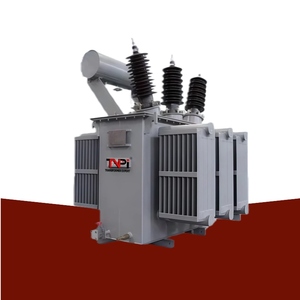
High-Voltage Kraft Cable & Turn Insulation Paper
Premium unbleached kraft cellulose paper engineered for oil-immersed power transformer conductor wrapping up to 69kV/33kV sub-station units.
- Purity: 100% Unbleached Sulfate
- Breakdown: > 12 kV/mm (Dry)
- Thickness: 0.05mm - 0.12mm
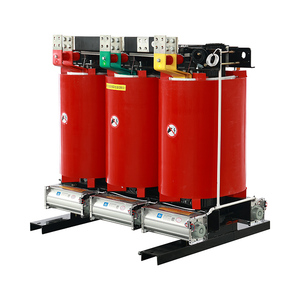
DMD / NMN Flexible Composite Insulation Paper
Multi-layer polyester film laminated with Dacron fleece or Aramid paper for 3-phase dry type isolation transformers & high voltage industrial motors.
- Thermal Index: 155°C (F) / 180°C (H)
- Tensile MD: > 180 N/10mm
- Dielectric Strength: > 15 kV
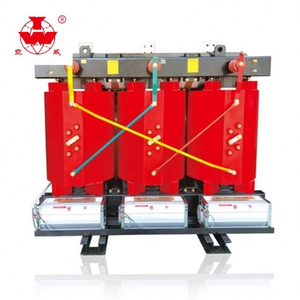
Diamond-Dotted Epoxy Insulation Paper (DDP)
Unbleached kraft paper coated with heat-curable B-stage epoxy resin dots. Prevents coil displacement under severe short-circuit electromagnetic stresses.
- Resin Content: (5 ± 1) g/m² per side
- Bonding Strength: > 0.45 MPa at 120°C
- Application: Layer-to-Layer Coil
Thermally Upgraded Crepe Insulation Paper & Tubes
Micro-creped electrical paper featuring 100%+ elongation capacity. Ideal for wrapping flexible leads, copper busbars, and irregular transformer connections.
- Base Weight: 60g/m² - 120g/m²
- Elongation: 50% - 150%
- Oil Absorption: Rapid Impregnation
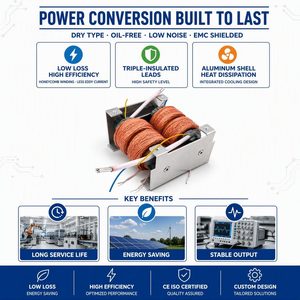
High-Density Pre-Compressed Electrical Pressboard
Calendered 100% wood pulp pressboard sheets and strips used for transformer spacer blocks, barrier cylinders, and high-voltage end-insulation.
- Density: 1.0 - 1.3 g/cm³
- Apparent Vol: High Compressive Limit
- Thickness: 0.5mm - 8.0mm
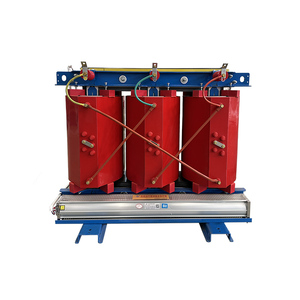
High-Temperature Aramid Synthetic Insulation Paper
Flame-resistant, non-melting meta-aramid fiber paper designed for high-temperature dry resin transformers, EV traction motors, and aerospace magnetics.
- Thermal Index: 220°C Continuous
- Dielectric: > 20 kV/mm
- Flame Rating: UL 94 V-0
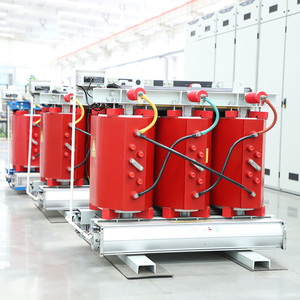
Low-Loss Oil-Permeable Kraft Insulation Paper
Engineered with optimized porosity for ultra-fast dielectric mineral oil saturation in high-efficiency distribution transformers and low-loss reactors.
- Conductivity: < 0.5 mS/m
- Ash Content: < 0.4%
- Moisture: < 6.0% (Packaged)
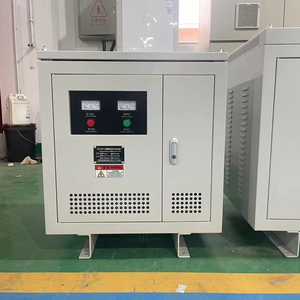
IEC 60554 Calendered Insulation Barrier Paper
High-density smooth surface insulation barrier paper offering uniform mechanical strength and breakdown voltage for industrial step-up transformer coils.
- Surface Finish: Double Calendered
- Width Range: 10mm - 2000mm
- Std Compliance: IEC 60554-3-1
World-Class Insulation Paper Manufacturing Capabilities
From virgin pulp refining to dust-free precision slitting, our integrated production line guarantees unmatched electrical dielectric stability.
100% Virgin Sulfate Wood Pulp
We exclusively source long-fiber softwood virgin cellulose pulp with zero recycled additives, maintaining an average Degree of Polymerization (DP) > 1200 for maximum mechanical longevity.
Dust-Free Cleanroom Slitting
Slitting and rewinding are executed within Class 100,000 cleanrooms equipped with laser edge detection and electrostatic dust collectors to eliminate metallic particle contamination.
ISO/IEC 17025 Certified Testing
Every manufacturing master roll undergoes rigorous laboratory evaluation testing according to ASTM D202, including breakdown voltage, pH of aqueous extract, tensile strength, and ash content.
Fundamental Material Science of Electrical Insulation Paper in Power Systems
In high-voltage electrical apparatus such as power distribution transformers, reactors, fractional horsepower motors, and generators, the electrical insulation system represents the single most critical structural element determining overall operational lifespan and grid reliability. Among all solid dielectric materials, cellulose electrical insulation paper and its synthetic composite variants (aramids, polyesters, pressboards) remain the industry standard due to their remarkable mechanical flexibility, excellent oil absorption dynamics, and superior dielectric breakdown endurance.
1. Chemical Composition & Polymer Structure of Cellulose Paper
Standard transformer kraft insulation paper is derived from high-purity unbleached softwood sulfate wood pulp. The fundamental building block of cellulose is $\beta-D-glucopyranose$ linked via 1,4-glycosidic bonds. The length of these polymer chains is quantified by the Degree of Polymerization (DP). Freshly manufactured virgin insulation paper typically exhibits a DP value between 1,000 and 1,400. During decades of thermal and electrical stress within an oil-immersed transformer environment, cellulose undergoes thermal degradation, hydrolysis, and oxidation, causing DP values to drop. When paper DP reaches approximately 200 to 250, the mechanical tensile strength decreases to less than 20% of its initial rating, marking the end of functional transformer life.
2. Comparative Matrix: Electrical Insulation Paper Types & Technical Specifications
Selecting the appropriate dielectric paper formulation requires balancing operating temperatures, mechanical winding stresses, and liquid dielectric compatibility. The technical comparison below outlines key metrics across standard industrial classifications:
| Insulation Paper Type | Standard Compliance | Thermal Class | Breakdown Voltage (Dry) | Tensile Strength (MD) | Oil Impregnation Rate | Primary Application Area |
|---|---|---|---|---|---|---|
| Unbleached Kraft Paper | IEC 60554-3-1 | Class A (105°C) | ≥ 10.5 kV/mm | ≥ 95 MPa | Ultra-Fast | Conductor wrapping, oil transformers |
| Diamond-Dotted Paper (DDP) | IEC 60554-3-5 | Class A (105°C) | ≥ 11.0 kV/mm | ≥ 90 MPa | Medium | Layer insulation in distribution coils |
| Crepe Paper | IEC 60554-3-3 | Class A (105°C) | ≥ 9.0 kV/mm | High Elongation (>50%) | Instantaneous | Lead wrapping, flexible busbars, bushings |
| Aramid Paper (Meta-Aramid) | IEC 60819 | Class H/C (180-220°C) | ≥ 20.0 kV/mm | ≥ 120 MPa | Slow / Non-hygroscopic | Dry-type transformers, EV motors, traction |
| DMD Composite Paper | IEC 60626 | Class F (155°C) | ≥ 15.0 kV | ≥ 160 N/10mm | N/A (Dry Surface) | Motor slot insulation, dry transformer inter-layer |
| NMN Composite Paper | IEC 60626 | Class H (180°C) | ≥ 18.0 kV | ≥ 200 N/10mm | N/A | High-spec industrial motors, dry isolation units |
| Pre-Compressed Pressboard | IEC 60641-3-2 | Class A (105°C) | ≥ 14.0 kV/mm | ≥ 110 MPa | Controlled Deep Pore | Clamping rings, spacers, barrier tubes |
3. Dielectric Performance & Moisture Kinetics
Water is the primary enemy of electrical insulation paper. Cellulose molecules contain polar hydroxyl ($-OH$) groups that readily absorb ambient atmospheric moisture. A moisture content increase from 0.5% to 3.0% in kraft paper reduces its electrical dielectric breakdown voltage by more than 50% and accelerates the thermal degradation rate by a factor of 10. Consequently, professional transformer manufacturers subject assembled core-coil units to rigorous vacuum drying processes (hot-air circulation or vapor-phase drying) to reduce paper moisture below 0.5% prior to vacuum oil filling.
Thermal Aging Kinetic Principle (Arrhenius Degradation Model)
The aging rate of electrical insulation paper follows the modified Arrhenius equation. For every 6°C to 8°C increase in continuous operating temperature above the rated thermal class limit (105°C for Class A kraft paper), the expected insulation thermal service lifetime is reduced by approximately 50%. Utilizing thermally upgraded paper (treated with nitrogen-containing stabilizers such as dicyandiamide or melamine) elevates allowable hot-spot limits to 120°C without sacrificing operational life expectancy.
Future Procurement & Technology Trends in Insulation Paper
Emerging engineering specifications driving global B2B procurement decisions for smart grids, renewable energy, and electric vehicles.
1. Synthetic & Natural Ester Fluid Compatibility
With power utilities rapidly transitioning from traditional mineral oil to high-flashpoint, biodegradable natural ester (vegetable oil) fluids (FR3, MIDEL), insulation paper factories are re-engineering pore size distribution to maintain rapid oil impregnation and low moisture retention.
2. Hybrid High-Temperature Insulation Systems
To meet modern urban footprint constraints, transformer OEMs are increasingly specifying hybrid insulation designs—combining high-cost aramid papers (Class H/C) at high thermal stress conductor locations with economical thermally upgraded kraft paper in cooler zones.
3. Micro-Slitting & Automated Coil Winding Demands
As automated robotic winding machines become universal across transformer manufacturing plants, tolerance expectations for paper slitting width have tightened from ±0.5mm to ±0.1mm, demanding ultra-precise razor slitting and burr-free roll edges.
4. Zero-Defect Optical Defect Inspection
Leading global insulation paper factories now incorporate continuous inline 4K optical cameras to detect pinholes, carbonized specks, or metallic inclusions down to 50 microns during paper calendering and slitting.
Frequently Asked Questions (FAQ) for Insulation Paper Sourcing
Technical answers to common engineering, quality assurance, and commercial procurement inquiries.
Request Factory Direct Technical Quotations & Samples
Partner with a certified global leader in electrical insulation materials. Our engineering team provides custom slitting, specialized material testing, and competitive B2B factory pricing.