Distribution Transformer Technical Articles, Industry Insights & Grid Updates — SOTEK Group
Engineering Catalog: Stepdown Transformers
Custom-engineered oil-immersed, cast resin dry-type, and high-voltage isolation stepdown transformers rated up to 69kV for Australian industrial networks.
Engineering Whitepaper: Navigating High-Voltage Stepdown Transformer Procurement & Grid Integration in Melbourne
As Victoria undergoes one of the most rapid industrial electrification and grid modernization transformations in the Southern Hemisphere, securing a reliable, technically compliant, and energy-efficient stepdown transformer supplier in Melbourne has become a vital operational imperative. From the heavy manufacturing hubs in Dandenong, Campbellfield, and Altona to the expanding data center corridors in Truganina and Western Melbourne, electrical infrastructure engineers face tight regulatory constraints, demanding ambient thermal conditions, and strict performance metrics enforced by Distribution Network Service Providers (DNSPs) including CitiPower, Powercor, AusNet Services, Jemena, and United Energy.
A stepdown transformer functions as the critical link between medium-voltage (MV) or high-voltage (HV) transmission lines—typically operating at 66kV, 33kV, 22kV, or 11kV in Victoria—and low-voltage (LV) utilization equipment operating at 415V three-phase or 240V single-phase (50Hz). Selecting an optimal stepdown transformer requires deep technical alignment with Australian and New Zealand Standards (specifically AS/NZS 60076 for power transformers and AS 2067 for high-voltage installations), as well as compliance with Minimum Energy Performance Standards (MEPS).
Key Technical Insight for Victorian Engineers: Melbourne's summer microclimates regularly experience ambient temperature spikes exceeding 40°C to 45°C. Stepdown transformers must be custom-rated with low temperature-rise thermal margins (e.g., 50/55°C rise over 40°C ambient) and specialized CRGO core configurations to prevent thermal runaway, insulation degradation, and premature transformer failure during peak network loading conditions.
⚡ Magnetic Core Engineering & Loss Optimization (CRGO Steel vs. Amorphous Core)
The core of a high-efficiency stepdown transformer is constructed using high-permeability, grain-oriented silicon steel (CRGO) or advanced amorphous alloy ribbon. Premium suppliers utilizing automated Georg core-cutting lines achieve precision step-lap mitered joints. This step-lap core stacking architecture minimizes magnetic flux leakage at the corner joints, dramatically reducing no-load losses (iron losses) and audible noise levels down to below 50–55 dBA—a critical threshold for urban Melbourne indoor substations and mixed-use commercial developments.
For industrial facilities operating continuously 24/7, high efficiency equates directly to thousands of dollars saved annually in baseline electricity costs. By exceeding standard AS/NZS 60076 efficiency metrics, modern low-loss stepdown transformers yield an internal rate of return (IRR) that pays off the equipment capital expenditure within 3 to 5 years of deployment.
🛡️ Cast Resin Dry-Type vs. Hermetically Sealed Oil-Immersed Transformers
When sourcing a stepdown transformer supplier for Melbourne projects, electrical consultants must evaluate the environmental and fire safety requirements of the site:
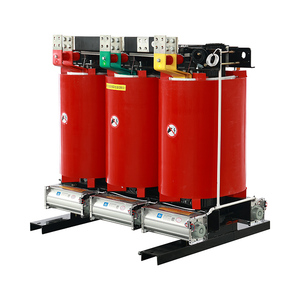
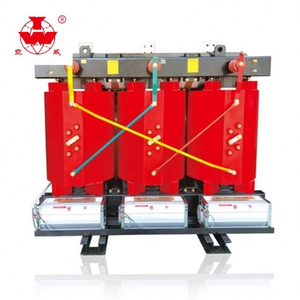
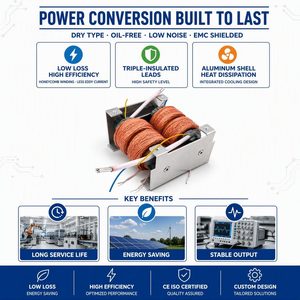
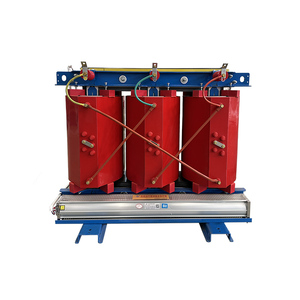
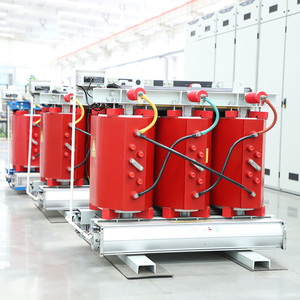
1. Cast Resin Dry-Type Transformers (AS/NZS 60076.11): Encapsulated under high vacuum using epoxy resin filled with quartz powder, cast resin transformers feature Class F (155°C) or Class H (180°C) thermal insulation. They are inherently self-extinguishing, flame-retardant (Class F1 fire behavior rating), and immune to atmospheric humidity or heavy dust contamination. They represent the gold standard for indoor substations, high-rise buildings, hospitals, and subterranean infrastructure projects like the Melbourne Metro Tunnel project.
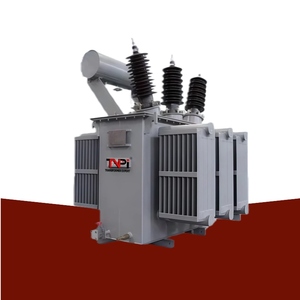
2. Oil-Immersed Distribution & Power Transformers: Utilizing mineral oil or biodegradable synthetic ester fluids (such as FR3), oil-filled stepdown transformers provide superior dielectric strength and thermal dissipation for outdoor substations, heavy industrial plants, and utility distribution networks. Hermetically sealed corrugated tank designs prevent atmospheric oxygen and moisture ingress, preserving fluid dielectric integrity without requiring routine oil degassing.
Melbourne & Regional Victorian Industrial Application Scenarios
Tailored stepdown transformer solutions deployed across Victoria's diverse commercial, manufacturing, and infrastructure sectors.
1. Western Melbourne Data Center Hubs (Truganina & Derrimut)
High-density data centers require redundant, K-factor rated stepdown transformers (11kV/22kV down to 415V) equipped with electro-static shielding to suppress high-frequency harmonics generated by uninterruptible power supplies (UPS) and variable frequency drives (VFDs).
2. Heavy Manufacturing Belts (Dandenong & Campbellfield)
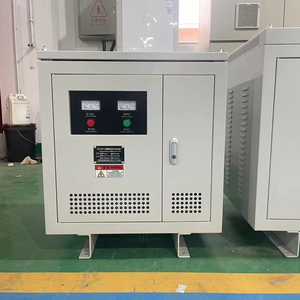
Industrial plants operating automated stamping, arc welding, and plastic extrusion machinery utilize 3-phase isolation stepdown transformers (such as 1000kVA–2500kVA 22kV/415V units) engineered with mechanical short-circuit withstand forces up to 40kA to handle severe load surges.
3. Port of Melbourne Marine & Logistics Precinct
Exposed to aggressive salt spray and humid maritime atmospheres, stepdown transformers in the Port region demand C4 or C5-M grade anti-corrosion poly-urethane painting systems, hot-dip galvanized cooling radiators, and stainless steel hardware fittings.
4. High-Rise Commercial Developments (Melbourne CBD & Southbank)
In accordance with strict Victorian Building Authority safety mandates, indoor substations located inside high-rise basements rely on zero-oil cast resin stepdown transformers fitted with integrated PTC temperature sensors, micro-processor trip units, and IP23 outdoor enclosures.
5. Regional Victorian Solar & EV Microgrids (Geelong & Latrobe Valley)
Supporting Victoria's clean energy transition, dual-winding step-up/step-down transformers facilitate seamless power stepdown from 33kV/22kV distribution lines to supply fast-charging EV bus depots and regional battery energy storage systems (BESS).
Victoria's Electrification Trends & Local Energy Compliance Shift
The state of Victoria is experiencing a monumental shift toward zero-emissions power networks under the Victorian Renewable Energy Target (VRET). Key trends reshaping transformer specification and procurement across Melbourne include:
- Mandatory MEPS Loss Compliance: Electricity suppliers and asset owners must comply with strict Minimum Energy Performance Standards (AS/NZS 60076.14). Modern stepdown units utilize laser-etched domain-refined silicon steel to cut standby core loss by up to 25–30%.
- Integration of On-Load Tap Changers (OLTC): Due to the heavy penetration of rooftop solar feeding back into Melbourne's suburban distribution feeders, voltage fluctuations are increasingly frequent. Stepdown transformers equipped with automated OLTCs dynamically adjust voltage ratios (+/- 10% in 1.25% steps) to stabilize low-voltage delivery.
- Environmental Ester Fluid Adoption: Corporate ESG directives in Melbourne commercial real estate have driven a transition from mineral transformer oil to natural/synthetic ester fluids. Ester liquids have a fire point exceeding 300°C (K-class fluid) and are 100% biodegradable within 28 days.
Enterprise Advantages: Why Choose SOTEK & Partner Manufacturers
Direct manufacturer capabilities, rigorous laboratory validation, and bespoke engineering support for Australian importers and contractors.
High-Precision Core Cutting
Equipped with German Georg automated shear line equipment, ensuring micron-level accuracy in step-lap miter cutting, which significantly diminishes excitation current and core noise.
Hedrich Vacuum Casting Plant
Dry-type transformers undergo resin casting inside state-of-the-art Hedrich automated vacuum chambers, resulting in partial discharge levels below 5 pC (picocoulombs)—far exceeding the 10 pC standard requirement.
ISO/IEC 17025 Certified Testing Lab
Every transformer undergoes complete factory acceptance testing (FAT), including full-wave lightning impulse withstand testing, short-circuit withstand verification, acoustic noise measurement, and temperature rise validation.
Full AS/NZS & IEC Certification
Manufacturing operations are certified to ISO 9001:2015, ISO 14001:2015, and ISO 45001. All products come backed by comprehensive type-test reports from accredited third-party laboratories (KEMA / ASTA / QUATEST).
Custom Mechanical & Electrical Tailoring
Offering specialized vector groups (Dyn11, Dyn1, Ynd11), custom primary tap configurations (DETC or OLTC), dual secondary outputs (415V/240V), and customized cable entry boxes to match site footprint constraints.
Melbourne Procurement FAQ: Stepdown Transformers
Clear engineering answers to common procurement, compliance, and installation questions asked by Victorian buyers.
Request a Technical Quotation for Your Melbourne Project
Speak with our senior transformer engineers today to review your single-line diagrams (SLD), voltage ratio specs, and custom AS/NZS 60076 project requirements.
Inquire Now